Is It a Good Idea to Buy a Remanufactured Engine?

When an engine fails or reaches the end of its service life, vehicle owners and fleet managers face a critical decision: replace it with a brand-new unit, install a used engine, or opt for a remanufactured solution. Among these options, remanufactured short block engines have become increasingly popular due to their balance of cost, reliability, and availability.
But does choosing a remanufactured engine actually make sense from a technical and financial standpoint? The answer depends on your application, expectations, and sourcing decisions. This guide breaks down the key considerations in detail so you can make a well-informed choice.
remanufactured short block engines

What Is a Remanufactured Short Block Engine?

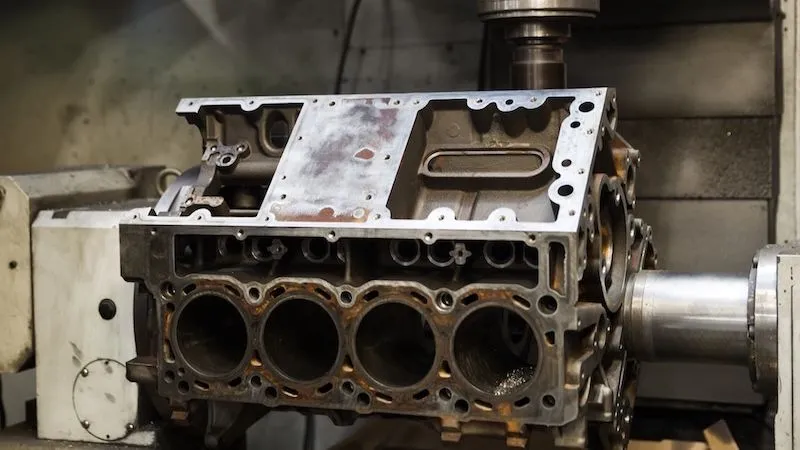
A remanufactured short block engine is a fully disassembled and industrially restored engine assembly that focuses on the core rotating components. Unlike simple repairs, remanufacturing follows a standardized process designed to return the engine to OEM-level tolerances.
A short block typically includes:
  • Engine block
  • Crankshaft
  • Pistons
  • Connecting rods
  • Bearings
During the remanufacturing process:
  • All components are cleaned and inspected using precision measurement tools
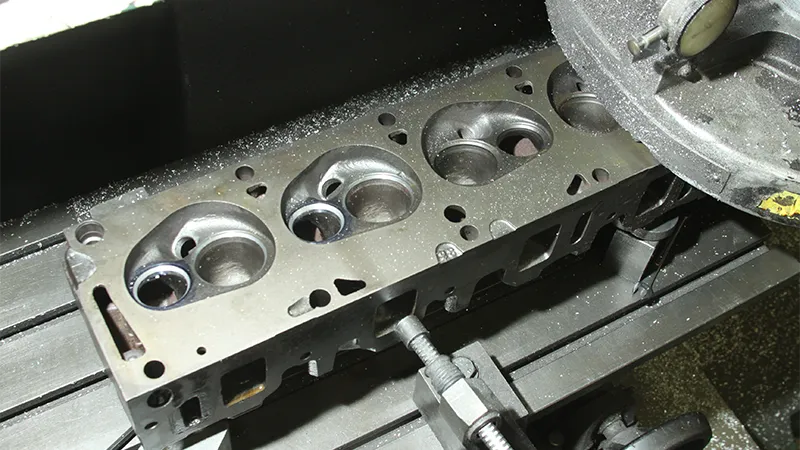
  • The engine block is machined (boring, honing, decking) to restore geometry
  • Worn components are replaced with new or upgraded parts
  • Critical tolerances are reset to factory specifications

This ensures the engine operates with proper compression, lubrication, and thermal stability.

Remanufactured vs Rebuilt vs Used vs New Aftermarket Engines

When evaluating engine replacement options, it’s not enough to compare remanufactured, rebuilt, and used engines in isolation. A complete assessment should also include new aftermarket engines, which occupy an important middle ground between OEM and traditional aftermarket solutions.
A new aftermarket engine refers to a brand-new unit produced by third-party manufacturers, rather than the original vehicle maker. While these engines are not OEM-branded, many are engineered to meet equivalent specifications, and in some cases, incorporate incremental improvements based on known failure points in original designs.
Understanding how these four categories differ in terms of manufacturing process, reliability, and real-world application is essential for making a technically sound decision.

Remanufactured Engines

Remanufactured engines are built through a standardized industrial process, where the original engine (core) is completely disassembled, inspected, and restored.
This process typically involves:
  • Precision machining of the engine block and crankshaft
  • Replacement of all wear-critical components such as bearings, seals, and pistons
  • Reassembly under controlled conditions with calibrated tolerances
What makes remanufactured engines particularly valuable is their repeatability. Because the process is structured and often batch-controlled, the final product tends to deliver consistent performance across units.
In real-world applications, they are widely used in:
  • Fleet maintenance programs
  • Professional repair networks
  • Markets where cost control and reliability must be balanced

Rebuilt Engines

Rebuilt engines follow a more situational repair approach. Instead of fully restoring the engine to a defined standard, the process focuses on addressing specific failures or worn components.
Typically:
  • Only damaged parts are replaced
  • Minimal machining is performed unless necessary
  • A large portion of original components are reused
This makes rebuilt engines a viable option for cost-sensitive repairs, especially when the engine has localized damage rather than systemic wear.
However, the trade-off lies in inconsistency. Since the process depends heavily on the technician’s judgment and available tooling, two rebuilt engines of the same model may perform very differently. This variability limits their suitability for applications requiring predictable performance.

Used Engines

Used engines are the simplest option in terms of processing—they are removed from donor vehicles and resold with little to no internal refurbishment.
While this results in the lowest upfront cost, it introduces several technical uncertainties:
  • Unknown maintenance history
  • Hidden internal wear (e.g., bearing fatigue, cylinder scoring)
  • No recalibration of tolerances
Used engines are typically chosen for:
  • Short-term vehicle use
  • Low-value vehicles nearing end-of-life
  • Situations where budget constraints outweigh long-term reliability concerns

From an engineering standpoint, they represent the highest risk option, particularly in commercial or high-utilization scenarios.

New Aftermarket Engines

New aftermarket engines are completely newly manufactured units, produced by third-party companies rather than OEMs. Unlike remanufactured or rebuilt engines, they contain no reused components.
Their key advantage lies in:
  • Zero prior wear
  • Full production consistency (when manufactured properly)
  • Potential design improvements over original versions
However, their reliability is highly dependent on the manufacturer’s capability. Factors such as:
  • Material selection
  • Machining accuracy
  • Quality control systems
can significantly influence performance outcomes.
In practice, new aftermarket engines are often selected when:
  • Buyers want a “new engine” without OEM pricing
  • Remanufactured cores are not available
  • Large-volume procurement requires standardized new units
They occupy a middle ground between OEM engines and remanufactured solutions in terms of both cost and confidence level.
Criteria Remanufactured Engine Rebuilt Engine Used Engine New Aftermarket Engine
Component Condition
New + refurbished
Mostly reused
Fully used
100% new
Disassembly Level
Complete
Partial
None
Not applicable (new build)
Machining Process
Precision CNC machining
Limited or none
None
Full manufacturing process
Tolerance Control
OEM standard
Inconsistent
Unknown
Depends on manufacturer
Reliability
High
Medium
Low
Medium–High
Consistency
High (batch controlled)
Variable
Low
Depends on QC system
Warranty
Yes (common)
Sometimes
Rare
Yes (if professional supplier)
Cost
Medium
Low–Medium
Low
Medium–High
Availability
High
Medium
High
Medium
Best Use Case
Balanced cost & reliability
Budget repair
Short-term use
New replacement alternative
If you want to understand how aftermarket engines compare to OEM in terms of quality and manufacturing standards, you can refer to this detailed breakdown:

Key Advantages of Remanufactured Short Block Engines

Remanufactured short block engines are widely adopted not only because they are a cost-effective alternative to new units, but also because they maintain a strong balance between performance stability and manufacturing precision. In practical applications, their value is best understood by breaking down the specific advantages they deliver in real operating conditions, starting with the most immediate factor that influences purchasing decisions.

1. Cost Efficiency Without Compromising Core Performance

One of the strongest arguments for remanufactured engines is economic. Compared to brand-new OEM engines, they typically reduce procurement costs by 30%–50%.
This cost advantage is particularly important for:
  • Fleet operators managing multiple vehicles
  • Repair shops aiming to offer competitive pricing
  • Distributors working in price-sensitive markets
Despite the lower cost, properly remanufactured engines deliver comparable functional performance under normal operating conditions.

2. Restored Precision and Engineering Integrity

Remanufacturing is not just about replacement—it is about restoring engineering integrity.
Processes such as:
  • Cylinder honing
  • Crankshaft grinding
  • Line boring
  • Dynamic balancing
ensure that:
  • Internal friction is minimized
  • Oil film stability is maintained
  • Rotational components operate within optimal tolerances
In many cases, known design weaknesses in original engines are corrected during remanufacturing, resulting in improved durability.

3. Environmental and Resource Efficiency

Remanufacturing significantly reduces:
  • Raw material consumption
  • Energy usage in production
  • Industrial waste
For companies operating in regulated markets, this can also support sustainability reporting and compliance requirements.

4. Availability and Supply Chain Flexibility

New engines are often subject to:
  • Long production lead times
  • Discontinuation for older models
  • Limited regional availability
Remanufactured short block engines, by contrast, are:
  • More readily available
  • Easier to source in bulk
  • Compatible across multiple vehicle platforms

This makes them especially valuable in aftermarket distribution networks.

Potential Drawbacks You Should Consider

While the advantages are clear, there are still practical considerations:

Quality Variability
The performance of a remanufactured engine depends heavily on the remanufacturing process and standards used.

Core Return Requirements
Some suppliers require returning the old engine, which may affect logistics and total cost.

Specification Limitations
Most remanufactured engines are built to stock configurations and may not suit performance-focused applications.

When Is a Remanufactured Engine the Right Choice?

A remanufactured short block engine is a strong fit in several scenarios:

Daily Driving Applications
For standard passenger vehicles, it offers reliable performance at a reasonable cost.

Commercial and Fleet Use
Fleet operators benefit from predictable quality and lower lifecycle costs.

Aging Vehicles
When new engines are no longer available, remanufactured units provide a practical replacement solution.

When You Might Consider Alternatives

Although remanufactured engines are suitable for many use cases, there are situations where alternative solutions may be more appropriate. This decision should be based on performance expectations, operational conditions, and long-term cost analysis.

High-Performance or Modified Applications

If the engine is intended for:
  • Turbocharged or supercharged builds
  • Racing or off-road competition
  • Heavy load or extreme-duty environments
a remanufactured short block may not be sufficient. These engines are typically restored to stock specifications, meaning they may lack:
  • Forged internal components
  • Reinforced crankshafts
  • Performance-grade bearings

In such cases, a custom-built engine designed specifically for high stress conditions will deliver better durability and performance.

Situations Requiring Maximum Lifespan Certainty

For applications where failure is not an option—such as:
  • Critical commercial operations
  • Remote area deployments
  • High-value vehicles
a brand-new OEM engine may provide greater peace of mind. While remanufactured engines are reliable, a new engine eliminates:
  • Core history concerns
  • Potential variability in reused components

When Pricing Differences Are Minimal

In some markets, the price gap between remanufactured and new engines may be smaller than expected due to:
  • Regional supply conditions
  • Promotions or bulk deals
  • Manufacturer incentives

If the cost difference is marginal, investing in a new engine may offer better long-term value.

Limited Trust in Supplier Quality

If there is uncertainty regarding:
  • Manufacturing standards
  • Quality control processes
  • Testing procedures

it may be safer to choose a new or verified OEM engine rather than risk inconsistent remanufacturing quality.

Short-Term or Low-Value Vehicle Use

For vehicles that are:
  • Near the end of their lifecycle
  • Intended for short-term use
  • Low in market value

a used engine might be a more economical choice despite its risks. In such cases, minimizing upfront investment becomes the priority rather than maximizing long-term reliability.

Installation and Maintenance Considerations

Even the best remanufactured short block engine can underperform if installation practices are not properly followed.

Key recommendations include:
  • Replace wear components such as gaskets, seals, and oil pumps
  • Thoroughly clean the cooling and lubrication systems
  • Use correct-grade engine oil and coolant
  • Follow proper break-in procedures
Attention to these details ensures that the remanufactured engine achieves its intended service life.

Final Verdict: Is It Worth It?

For most standard applications, remanufactured short block engines provide an optimal balance between cost, reliability, and availability. They are particularly well-suited for aftermarket distribution, fleet maintenance, and older vehicles where new engines are no longer practical.
However, the decision should always align with your performance requirements, operational risk tolerance, and sourcing conditions. When chosen correctly and installed properly, a remanufactured engine can deliver dependable performance comparable to a new unit at a significantly reduced cost.

If you are sourcing remanufactured engines or related components, XJXPARTS is a direct manufacturing supplier with strict quality control and bulk supply capability. For inquiries, visit: https://www.engineassy.com/contact-us/
Related Post

Leave a Comment

Your email address will not be published. Required fields are marked *

Scroll to Top

Get Your Quote Now

    Get Your Quote Now