When an engine fails or reaches the end of its service life, the rebuild or replacement process presents a critical decision: should you go with a long block engine or a complete engine? For fleet managers, workshop owners, and automotive engineers, getting this choice right can mean the difference between a cost-effective repair and an expensive, time-consuming rebuild.
This guide breaks down exactly what each option includes, how they compare across key factors, and how to determine which is the right fit for your specific application.
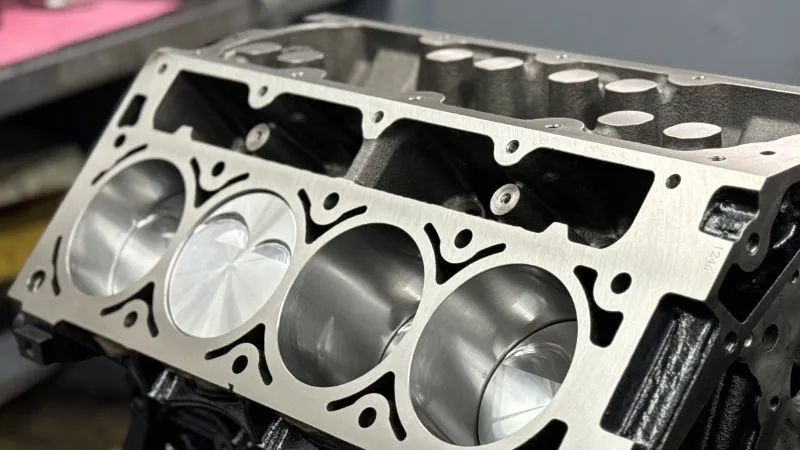
What Is a Long Block Engine?
What a long block does NOT include are the peripheral systems that make the engine fully operational in a vehicle -- components such as the intake manifold, exhaust manifold, alternator, power steering pump, air conditioning compressor, fuel injection system, sensors, and the complete accessory drive system.
The long block engine sits in the middle ground between a bare short block and a fully dressed, ready-to-install complete engine.
What Is a Complete Engine?
A complete engine is designed to minimize installation time. For a technician or end-user who wants a direct replacement that mirrors the original factory configuration, a complete engine removes most of the guesswork.
Long Block Engine vs Complete Engine: Side-by-Side Comparison
The table below summarizes the key differences to help you make a faster, more informed decision.
It is worth noting that definitions of "long block" and "complete engine" are not always consistent across suppliers. What one manufacturer includes as standard in a long block, another may treat as an optional add-on. Before finalizing any purchase, always request a detailed parts list and confirm exactly what is -- and is not -- covered in the quoted price.
Key Differences Explained
On the surface, a long block engine carries a lower price tag. However, this does not always translate to a lower total project cost. When you factor in the time required to transfer accessories, test each component for serviceability, and source any worn parts that should not be reused, the cost gap can narrow significantly -- or even reverse.
A complete engine typically commands a higher upfront price but reduces the number of labor hours at the point of installation. For high-volume workshops where technician time is a significant cost center, a complete engine can deliver a better return on investment per job.
This is one of the most practical differences between the two options. Installing a long block engine requires the technician to methodically transfer all peripheral components from the old engine. This process demands careful inspection of each part, proper torque procedures for reinstallation, and additional time for testing once assembled.
A complete engine, by contrast, arrives ready to drop in. Many of the ancillary systems are already mounted, pre-tested, and aligned. For service operations under time pressure -- such as commercial vehicle fleets needing rapid turnaround -- a complete engine can reduce downtime substantially.
The long block engine is the preferred choice for builders who need flexibility. When the existing engine accessories are in good condition, there is no reason to pay for a duplicate set. More importantly, for applications requiring custom intake configurations, aftermarket fuel systems, or performance upgrades, the long block engine provides a clean starting point without unnecessary factory components getting in the way.
Custom engine builds for industrial equipment, marine applications, motorsport, or heavy-duty commercial use frequently specify long block assemblies precisely because they allow engineers to spec and install components appropriate for the intended duty cycle.
When upgrading or replacing an engine in an older vehicle or specialized machine, there is always a risk that a complete engine's included accessories may not match the vehicle's existing electrical system, mounting points, or emission configuration. A long block engine sidesteps this issue entirely -- since the technician is supplying and installing the peripheral components, compatibility is controlled from the outset.
This is particularly relevant in markets outside the manufacturer's primary region, or in applications where the engine is being fitted into a non-standard chassis.
Warranty terms differ meaningfully between long block and complete engine suppliers. A long block engine warranty typically covers the core assembled components -- the block, heads, rotating assembly, and timing system. Any failures in transferred or externally supplied accessories fall outside the warranty scope.
A complete engine warranty generally provides broader coverage, since the supplier is responsible for the entire assembled unit. When choosing between options, it is worth reviewing warranty documentation carefully and clarifying what is and is not covered before committing to a purchase.
Which Option Is Right for Your Situation?
Common Questions About Long Block Engines
Making the Final Decision
Neither option is universally superior. The right choice depends on the specific context: the condition of existing components, the available labor capacity, budget constraints, the nature of the application, and the timeline for getting the equipment back into service.
For standard commercial or passenger vehicle repairs where speed and simplicity are priorities, a complete engine is often the more practical choice. For builds that require customization, or for cases where reusing existing accessories makes financial sense, the long block engine delivers better value and greater flexibility.
Understanding this distinction also matters when communicating with suppliers. A clear, specific request -- outlining exactly which components you need included -- helps avoid costly misunderstandings and ensures the engine you receive matches the job at hand.