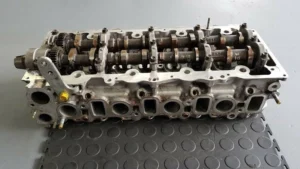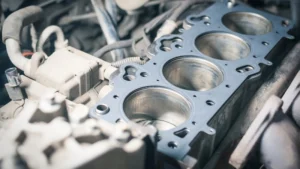
The Toyota 1KD-FTV cylinder head is one of the most frequently sourced diesel engine components in the global aftermarket. As a 3.0L turbo diesel powering the Hilux, Prado, Fortuner, HiAce, and Land Cruiser across Africa, Southeast Asia, the Middle East, Australia, and South America, the 1KD-FTV engine platform supports an estimated fleet of millions of working vehicles — many of which operate in extreme conditions that accelerate cylinder head wear.
This guide covers the most common failure causes, warning signs, replacement specifications, compatibility requirements, and supplier selection criteria for the Toyota 1KD-FTV cylinder head. Whether you are a workshop sourcing a single replacement or a distributor managing inventory for high-demand markets, the information here is intended to support informed, accurate purchasing decisions.
What Is the Toyota 1KD-FTV Engine?
The Toyota 1KD-FTV is a 3.0-liter, four-cylinder, common-rail turbo diesel engine introduced by Toyota in the early 2000s. It belongs to Toyota's KD engine family and features an aluminum cylinder head, dual overhead camshafts (DOHC), and a variable geometry turbocharger on most variants.
Key engine specifications:
Common vehicle applications:
Production year and target market both affect fuel system configuration, EGR system design, and emission control components — all of which influence cylinder head compatibility.
Common Causes of Toyota 1KD-FTV Cylinder Head Failure
Understanding why the cylinder head fails is essential for preventing repeat failure after replacement. The following are the most frequently documented causes in workshop and fleet environments.
1. Overheating and Thermal Stress
The 1KD-FTV uses an aluminum cylinder head, which is lightweight and thermally efficient under normal conditions. However, aluminum becomes highly vulnerable to warping and cracking when subjected to sustained high temperatures.
Even a single severe overheating event can permanently distort the cylinder head sealing surface. Repeated moderate overheating causes cumulative fatigue that eventually leads to cracking.
2. Injector Seat Leakage
A well-documented issue specific to some 1KD-FTV variants involves failure of the injector copper sealing washers. When these seals deteriorate, combustion gases bypass the injector seat and enter the cylinder head material.
If injector seat leakage is identified, the cylinder head should be inspected for heat-related damage before any repair or replacement decision is made.
3. Coolant System Neglect
Poorly maintained coolant becomes acidic over time and attacks the aluminum alloy used in the 1KD-FTV cylinder head. This leads to:
Toyota recommends coolant replacement intervals that many commercial vehicle operators in high-mileage markets do not always follow. This is a significant contributing factor to premature cylinder head failure in fleet vehicles.
4. Head Gasket Failure (Initiating or Resulting)
Head gasket failure on the 1KD-FTV can occur as either the initiating cause of a problem (faulty gasket material, incorrect installation torque) or as a downstream result of cylinder head warping. In either case, a blown head gasket creates conditions that rapidly accelerate cylinder head damage if not addressed immediately.
5. High Mileage Under Heavy Load
Many 1KD-powered vehicles — particularly commercial Hilux and HiAce models used in mining, agriculture, and long-haul transport — accumulate 300,000 to 500,000+ kilometers over their service lives. At these mileages, valve seat recession, guide wear, and general fatigue of the casting become genuine concerns even on well-maintained engines.
Warning Signs That Indicate Cylinder Head Problems
Early diagnosis prevents escalating damage. The following symptoms in a 1KD-FTV engine warrant cylinder head inspection:
Cooling system symptoms:
Oil system symptoms:
Performance symptoms:
A compression test and combustion gas test (using a block tester) are the most reliable diagnostic tools for confirming cylinder head failure before disassembly.
Repair vs. Replacement: How to Decide
When a 1KD-FTV cylinder head is removed and found to be damaged, workshops typically consider two options: machining and repairing the existing head, or installing a new replacement assembly. The table below outlines the key decision criteria for each approach.
For distributors supplying aftermarket parts to workshops in Africa, the Middle East, and Southeast Asia, a new cylinder head assembly is almost always the preferred recommendation — particularly for commercial vehicles where downtime costs are significant.
New Cylinder Head Assembly
When sourcing a replacement 1KD-FTV cylinder head, buyers typically choose between two configurations:
Bare cylinder head casting: Includes the head casting with machined surfaces, valve guides, and seats. Valves, camshafts, springs, and seals must be transferred from the old head or sourced separately. This option suits machine shops that prefer to install and verify their own valve components.
Complete cylinder head assembly: Supplied with valves, valve springs, camshaft components, seals, and in some cases the complete valvetrain. This configuration reduces workshop labor time, minimizes the risk of mismatched components, and is generally preferred by distributors supplying to general repair workshops.
For high-volume aftermarket supply chains, complete assemblies provide more consistent outcomes across varying skill levels.
How to Confirm the Correct Part
The 1KD-FTV engine was produced across multiple generations with differences that affect cylinder head compatibility. Ordering the wrong part is a costly error that delays repairs and creates customer dissatisfaction.
If any of these details are uncertain, providing the vehicle's VIN to the supplier allows model-specific verification.
Cylinder Head Installation: Critical Procedures
A high-quality replacement cylinder head will fail prematurely if installation procedures are not followed correctly. The following steps are essential:
How to Evaluate a Cylinder Head Supplier
For workshops and distributors sourcing Toyota 1KD-FTV cylinder heads, supplier quality directly affects engine longevity and customer outcomes. The following criteria distinguish reliable suppliers from low-quality alternatives.
Material and Casting Quality
The aluminum alloy specification, casting process, and heat treatment all affect long-term durability. Reputable manufacturers supply cylinder heads that meet or exceed OEM material specifications. Buyers should request information on casting standards and testing procedures.
Pressure Testing
Every cylinder head should be hydraulically pressure-tested before shipment to verify that coolant passages are intact and free of porosity defects. A supplier that cannot confirm pressure testing as part of their QC process represents significant risk.
Surface Machining Accuracy
Valve seat concentricity, guide clearances, and deck surface flatness must all be within specification. Dimensional inaccuracies lead to poor sealing, oil consumption, and premature failure. Suppliers with in-house machining capability and documented quality control processes are preferable.
Compatibility Documentation
A reliable supplier provides clear part number cross-references, application fitment charts, and engine code compatibility guides. This reduces ordering errors and simplifies the buying process for distributors managing multiple product lines.
Export Packaging Standards
For buyers importing cylinder heads from manufacturing countries, packaging quality matters. Cylinder heads should be individually protected against corrosion (typically with rust inhibitor coating on machined surfaces), cushioned against impact damage, and packed in export-grade crates or boxes. Poor packaging leads to transit damage and costly warranty claims.
Frequently Asked Questions
Q: What is the maximum allowable warpage for a Toyota 1KD-FTV cylinder head before it must be replaced?
A: Toyota specifies a maximum cylinder head surface warpage of 0.05 mm (0.002 inches). Heads warped beyond this tolerance cannot be resurfaced without compromising valve geometry and should be replaced.
Q: Can a 1KD-FTV cylinder head from a Hilux be used in a Prado?
A: It depends on the production year and specific variant. Some applications share the same head casting, while others differ in EGR port configuration, injector seat design, or sensor locations. Always verify by OEM part number before fitting across different platforms.
Q: Are 1KD-FTV head bolts reusable?
A: No. The 1KD-FTV uses torque-to-yield (TTY) head bolts, which plastically deform during tightening. Reusing these bolts risks incorrect clamping force and premature head gasket failure. New bolts must be installed with every cylinder head replacement.
Q: What is the difference between a bare and a complete 1KD-FTV cylinder head?
A: A bare cylinder head includes the casting, guides, and seats only. A complete assembly includes the valves, springs, camshafts, and seals pre-installed. Complete assemblies reduce labor time and component sourcing complexity for general workshops.
Q: How long does a new 1KD-FTV cylinder head typically last?
A: Under normal operating conditions with proper cooling system maintenance, a new cylinder head should last the lifetime of the engine — typically 300,000 to 500,000 kilometers or more in well-maintained commercial vehicles. Premature failure is almost always linked to cooling system neglect, installation errors, or pre-existing engine block issues.
Q: What markets have the highest demand for 1KD-FTV cylinder heads?
A: Demand is highest in Sub-Saharan Africa, the Middle East (particularly GCC countries), Southeast Asia (Thailand, Indonesia, Vietnam), and parts of South America (Chile, Colombia). These regions have large populations of 1KD-powered commercial vehicles and active workshop aftermarket sectors.
Summary
The Toyota 1KD-FTV cylinder head is a high-demand aftermarket component with a large global addressable market. Failure is most commonly caused by overheating, injector seat leakage, coolant system neglect, and high-mileage wear under heavy-duty operating conditions. Replacement with a new cylinder head assembly is the preferred solution for commercial vehicles, fleet applications, and any situation where long-term reliability is required.
Accurate compatibility verification, correct installation procedures, and supplier quality assessment are the three most important factors in achieving a successful outcome.