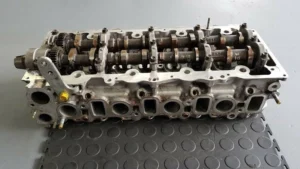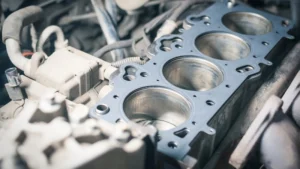
A cylinder head is one of the most critical components of an engine, responsible for housing the intake and exhaust valves, the combustion chamber, and sometimes the camshaft. When a cylinder head fails or starts to deteriorate, it can cause significant engine problems. Recognizing the early signs of a bad cylinder head can save you from costly repairs and prevent severe engine damage. In this article, we explore the common symptoms of cylinder head problems, how to diagnose them, and what steps to take if you suspect a failing cylinder head.
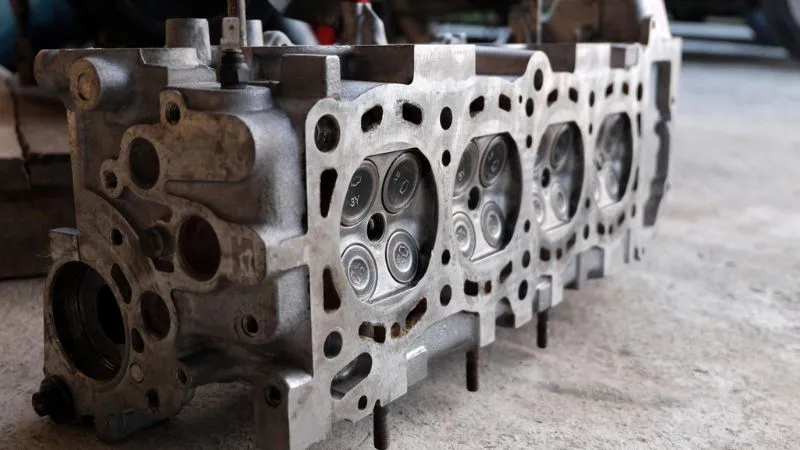
Understanding Cylinder Head Failure
Cylinder head failure can occur due to several reasons, including overheating, poor maintenance, or manufacturing defects. A cracked or warped cylinder head can cause coolant leaks, oil contamination, and loss of compression, leading to reduced engine performance. Knowing the common bad cylinder head symptoms is essential for both vehicle owners and mechanics to take timely action.
Core causes of cylinder head problems include:
- Engine overheating due to cooling system failure
- Prolonged high engine load or aggressive driving
- Poor-quality or low-octane fuel
- Manufacturing defects or wear over time
Understanding these causes helps in identifying whether the issue is truly with the cylinder head or related components such as the head gasket or engine block.
Common Symptoms of a Bad Cylinder Head
Identifying the symptoms of a failing cylinder head is the first step in diagnosing engine problems. Some of the most reported signs of a bad cylinder head include:
1. Engine Overheating
One of the most noticeable symptoms is an overheating engine. A cracked or warped cylinder head can cause coolant to leak into the combustion chamber or outside the engine, reducing the cooling efficiency. If your engine temperature frequently rises above normal levels, it could indicate a cylinder head failure symptom.
2. White Smoke from Exhaust
White smoke emitting from the exhaust is often a clear sign that coolant is entering the combustion chamber. This symptom is particularly common with cracked cylinder heads. If you notice white smoke while idling or accelerating, it is essential to inspect the cylinder head and coolant system immediately.
3. Oil Contamination
Mixing of oil and coolant is another critical cylinder head problem symptom. If your engine oil appears milky or foamy, it suggests that the cylinder head may have cracks or leaks. Ignoring this can lead to severe engine damage as lubricating properties of the oil are compromised.
4. Engine Misfire or Rough Idling
A failing cylinder head can cause engine misfires, uneven power delivery, or rough idling. This is often due to loss of compression in one or more cylinders. When diagnosing cylinder head failure symptoms, misfires accompanied by other signs like overheating or coolant loss are a strong indicator of head issues.
5. Loss of Coolant without Visible Leaks
If you consistently need to top up your coolant but cannot find visible leaks, it may be leaking internally through a cracked or warped cylinder head. This symptom is particularly subtle but critical in detecting early cylinder head damage.
For a more detailed breakdown of diesel-specific warning signs, you can also refer to this guide:
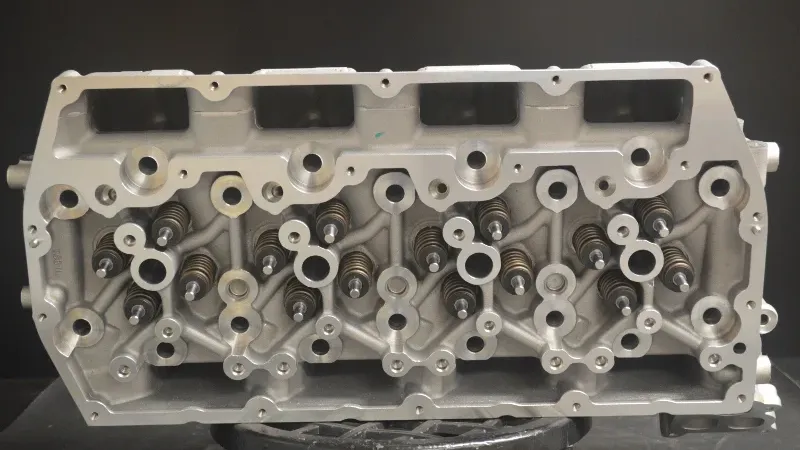
Cracked vs Warped Cylinder Head
Understanding the type of cylinder head damage helps in determining the correct repair approach.
- Cracked Cylinder Head: Usually caused by overheating or extreme stress. Cracks allow coolant or oil to enter combustion chambers, resulting in white smoke, oil contamination, and potential engine misfires.
- Warped Cylinder Head: Caused by overheating over time. A warped head may not seal properly with the engine block, leading to compression loss and coolant leaks.
Diagnosing a Bad Cylinder Head
Proper diagnosis ensures that you address the root cause rather than treating symptoms. Here are some common diagnostic methods:
1. Visual Inspection
Check for visible cracks, oil or coolant leaks around the cylinder head, and any signs of corrosion. While some cracks may be too small to see, any leakage is a strong indicator.
2. Compression Test
A compression test measures the pressure in each cylinder. Low compression in one or more cylinders is a key bad cylinder head symptom and can confirm head damage.
3. Leak-Down Test
A leak-down test can detect air or coolant escaping from the cylinder into other parts of the engine. This test is particularly effective in identifying hairline cracks.
4. Coolant Pressure Test
By pressurizing the cooling system, mechanics can check for leaks that may not be visible when the engine is cold. This helps to identify internal leaks from the cylinder head.
Consequences of Ignoring Cylinder Head Problems
Driving with a failing cylinder head can have severe consequences. Some of the potential risks include:
- Total engine failure due to loss of compression
- Damage to pistons and valves from overheating or coolant intrusion
- Increased repair costs if the issue spreads to other engine components
Early detection and intervention not only save money but also extend the lifespan of the engine.
Repair or Replace: What to Do
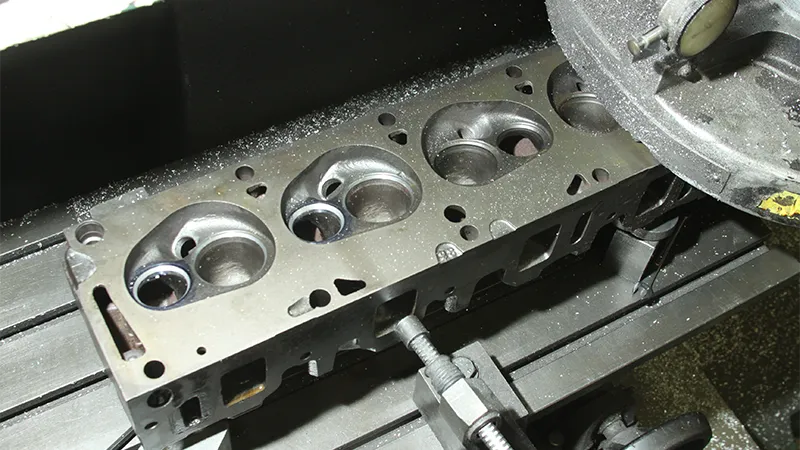
When dealing with a bad cylinder head, you generally have two options: repair or replacement. Minor cracks may be repaired by machining or welding, but significant damage usually requires replacement. Factors to consider include:
- Extent of damage
- Vehicle age and engine condition
- Availability of high-quality replacement parts
For high-quality aftermarket options, understanding the differences between OEM and aftermarket cylinder heads can guide your decision. You can refer to resources like:
Preventing Cylinder Head Problems
Preventive maintenance can significantly reduce the risk of cylinder head failure. Key practices include:
- Regular coolant and oil checks
- Avoiding engine overheating
- Timely replacement of head gaskets and worn components
- Using high-quality fuel and lubricants
These measures help maintain proper engine temperature, lubrication, and overall performance.
Key Takeaways
Recognizing the early signs of a bad cylinder head is crucial for engine health. Symptoms such as overheating, white smoke, oil contamination, and engine misfires indicate potential cylinder head damage. Prompt diagnosis using compression and leak-down tests, combined with professional inspection, can prevent severe damage. When necessary, repair or replace the cylinder head using quality parts, considering aftermarket or OEM options.
If you are looking for reliable cylinder head suppliers or high-quality replacements, XJX Parts manufactures durable cylinder heads in our factory. For inquiries or bulk orders, feel free to contact us anytime.