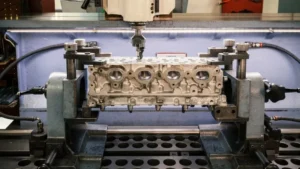
What Is Engine Knock?

Engine knock is one of the most concerning sounds a driver or technician can hear. It usually appears as a metallic pinging, rattling, or tapping noise that occurs when the combustion process inside the cylinder does not happen in the controlled way it should. While some noises in an engine may be harmless, engine knock rarely falls into that category. It indicates that something in the combustion cycle is out of balance, and if ignored, it can lead to significant internal damage.
To get a better sense of what engine knock sounds like, listen to the audio sample below. Paying attention to this sound can help you identify potential issues early and take action before they cause serious damage.

From this point on, we’ll walk through why engine knock happens, the signs to watch for, and what can be done to prevent it. Whether you are a vehicle owner, a mechanic, or involved in engine manufacturing or aftermarket engine components, knowing the details can make all the difference in keeping an engine running smoothly.

What Exactly Is Engine Knock?

Engine knock—also known as detonation or pinging—happens when fuel inside the combustion chamber ignites at the wrong time or in an uncontrolled manner. Instead of a smooth single flame front created by the spark plug, multiple pockets of air-fuel mixture explode simultaneously. These collisions create shockwaves, resulting in a sharp metallic sound. A healthy engine has a precise combustion sequence:
  1. The air-fuel mixture enters the cylinder
  2. The piston compresses the mixture
  3. The spark plug ignites it at the proper timing
  4. Pressure pushes the piston down smoothly
Engine knock disrupts this controlled burn. When fuel ignites prematurely or unevenly, the resulting force slams against the piston and cylinder walls. This abnormal pressure spike is what produces the distinctive knocking or pinging noise.
What-Is-Engine-Knock

Common Signs of Engine Knock

Before diving into specific causes, it helps to understand what symptoms typically appear when an engine is knocking:
  • Metallic pinging or rattling sound during acceleration
  • Loss of power or hesitation
  • Rough idling
  • Decreased fuel efficiency
  • Increased engine temperature
  • A check engine light (in more advanced cases)
While the sound often becomes more noticeable under load—such as going uphill or accelerating—engine knock should never be ignored. Addressing the underlying cause early can protect the engine from more expensive damage.

Major Causes of Engine Knock

Engine knock can result from several mechanical or fuel-related issues. Below are the most common causes that lead to detonation in gasoline engines.

1. Low-Octane or Poor-Quality Fuel

Octane rating measures a fuel’s resistance to premature ignition. When fuel with too low an octane level is used, it can ignite before the spark plug fires, causing knock.
Low-quality fuel may also contain impurities or lack proper additives, leading to unstable combustion.

Why it causes knock:

Lower octane = easier spontaneous ignition = uncontrolled combustion.

How to fix:

  • Use the fuel grade recommended by the manufacturer
  • Avoid unknown or low-quality fuel sources
  • Add fuel system cleaners if buildup is suspected

2. Carbon Deposits in the Combustion Chamber

Over time, carbon buildup forms on pistons, cylinder walls, and valves. These deposits reduce available combustion space and increase compression ratios. Higher compression can cause fuel to ignite too early.

Carbon can also retain heat, creating localized “hot spots” that trigger pre-ignition.

Signs of heavy carbon buildup:

  • Engine knocking under light load
  • Higher-than-normal fuel consumption
  • Difficulty starting

Solutions:

  • Use high-quality detergents in fuel
  • Perform periodic combustion chamber cleaning
  • Inspect the intake system for excessive carbon

3. Incorrect Air–Fuel Mixture

An engine running lean (too much air, not enough fuel) is a prime candidate for knock. Lean mixtures burn hotter, and that excess temperature creates conditions for detonation.
Causes of lean air–fuel mixtures include:
  • Faulty fuel injectors
  • Weak fuel pump
  • Clogged fuel filter
  • Leaks in the intake system
  • Malfunctioning sensors (oxygen sensor, MAF sensor)

How to correct it:

  • Diagnose the fuel injection system
  • Replace filters or faulty pumps
  • Ensure all sensors are functioning correctly

4. Incorrect Ignition Timing

Ignition timing determines when the spark plug fires. If the spark fires too early (advanced timing), the mixture ignites before the piston is ready, causing a knock.
Modern vehicles automatically adjust timing, but issues can still arise due to:
  • Faulty sensors
  • Bad knock sensor
  • ECU problems
  • Mechanical distributor issues (older vehicles)

Fix:

A technician should inspect the timing system and ensure calibration is correct.

5. Overheating Engine

High engine temperature accelerates the combustion process and can trigger detonation even if everything else is functioning normally.
Overheating may result from:
  • Low coolant
  • Faulty thermostat
  • Bad coolant pump
  • Radiator blockage

Preventive steps:

  • Keep the cooling system in good condition
  • Monitor coolant levels regularly
  • Replace worn or leaking components

6. Worn or Damaged Internal Components

If engine components such as bearings, pistons, or connecting rods are worn, they may allow excess movement that produces sound similar to knock. This is often referred to as rod knock, which is more serious and usually deeper in tone.
True mechanical knock may indicate:
  • Worn bearings
  • Damaged piston skirts
  • Excessive clearance in the engine block
Mechanical knock vs combustion knock is important to distinguish, as the repair strategy is very different.

How Dangerous Is Engine Knock?

While not every case of knock means immediate failure, continued knocking significantly increases the risk of long-term damage. Potential consequences include:
  • Damaged pistons
  • Cracked cylinder walls
  • Overstressed connecting rods
  • Burnt valves
  • Destroyed spark plugs
  • Premature engine failure
Since detonation produces abnormal pressure waves, components that were never designed to handle those spikes can quickly degrade.
The general rule is simple:
If you hear knocking, fix it as soon as possible.

How to Diagnose Engine Knock Properly

A methodical approach is essential for identifying the root cause. Below are common steps used by technicians:

1. Listen for the exact sound

  • Light metallic pinging = combustion knock
  • Deep knocking at idle = possible rod knock

2. Check for trouble codes

A diagnostic scanner can reveal misfires, sensor issues, or timing problems.

3. Inspect the quality of fuel

Low octane or contaminated fuel is a frequent cause.

4. Examine spark plugs

Worn or incorrect spark plugs can trigger misfires and pre-ignition.

5. Test compression and fuel pressure

These tests provide insight into internal component health.

6. Evaluate carbon buildup

Borescope tools help check deposits inside the combustion chamber.

7. Review the cooling system

Overheating must be ruled out or corrected.

A thorough diagnostic process helps prevent unnecessary repairs and ensures the correct solution is applied.

How to Prevent Engine Knock

The best way to avoid engine knock is through consistent maintenance and proper operating habits. Below are key preventive practices:

1. Use Fuel With the Correct Octane Rating

Always follow manufacturer recommendations. High-performance engines often require premium fuel.

2. Keep the Engine Properly Tuned

A well-calibrated ignition and fuel system reduces the chances of detonation.

3. Maintain the Cooling System

An overheating engine is one of the fastest ways to create knock conditions.

4. Clean Carbon Deposits Regularly

Fuel additives and periodic professional cleaning prevent excessive buildup.

5. Replace Sensors When Needed

Faulty knock sensors, oxygen sensors, or MAF sensors can lead to improper timing or fuel mixtures.

6. Address Any Rattling or Abnormal Sounds Early

Early diagnosis saves time and prevents serious mechanical damage.

When Engine Knock Means You Need Replacement Components

Sometimes, persistent engine knock indicates that certain internal components are beyond repair. This is especially true if knock has been ignored for an extended period.
In such cases, the engine may require:
  • New pistons
  • New bearings
  • A replacement cylinder head
  • A replacement engine block
  • Or a full long-block or complete engine assembly
Businesses involved in fleet maintenance, automotive workshops, and parts distributors often prefer high-quality OEM-standard components to ensure reliability and long-term performance.

Final Thoughts

Engine knock is more than just an unpleasant sound—it is a warning sign that the combustion process is not functioning correctly. Whether caused by fuel quality, overheating, incorrect timing, or worn components, addressing the issue promptly helps prevent costly repairs and ensures safe engine operation.

For workshops, distributors, or automotive businesses looking for reliable engine components—such as cylinder heads, engine blocks, short blocks, or complete engine assemblies—working with a trusted manufacturer is essential.

At XJXPARTS, we specialize in producing high-quality engine parts with strict manufacturing standards. If you need dependable components or want to discuss sourcing options for your business, feel free to contact us anytime.
Related Post

Leave a Comment

Your email address will not be published. Required fields are marked *

Scroll to Top

Get Your Quote Now

    Get Your Quote Now