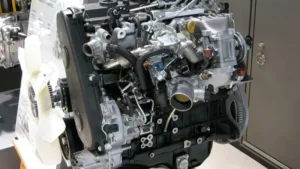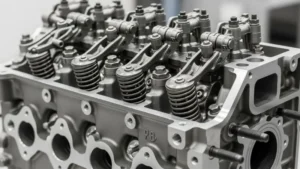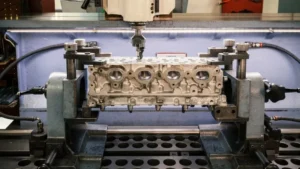
In the automotive industry, the term long block engine often comes up when discussing engine replacements or rebuilds. For dealers, mechanics, and engine distributors, knowing what a long block engine includes and how it differs from other engine assemblies is crucial for making the right purchasing decision. This guide takes a closer look at the structure, advantages, and practical applications of long block engines—and why they have become a reliable choice for both rebuild projects and full engine replacements.
What Is a Long Block Engine?
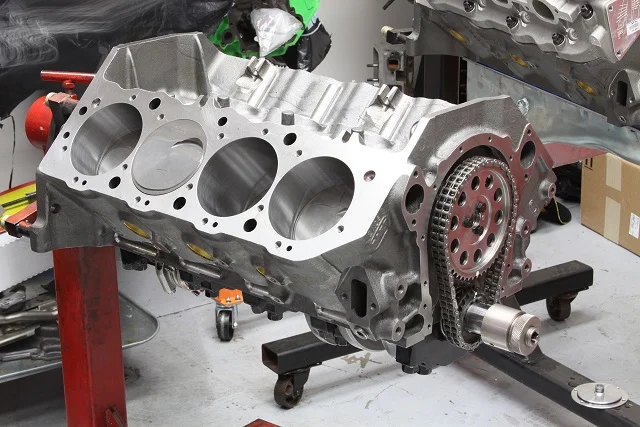
Compared with a short block, which typically includes only the engine block, crankshaft, rods, and pistons, a long block goes a step further by incorporating the cylinder head and valvetrain components. This additional completeness makes it easier and faster to install while reducing the amount of labor required during assembly.

Key Components Included in a Long Block Engine
| Table Header | Table Header |
|---|---|
|
Engine Block |
The central structure that houses the cylinders and supports the entire assembly. |
|
Crankshaft |
Converts the linear motion of the pistons into rotational motion. |
|
Connecting Rods and Pistons |
Transmit combustion energy to the crankshaft and define compression ratio. |
|
Camshaft |
Controls valve timing and engine breathing. |
|
Cylinder Head |
Contains intake and exhaust ports, valves, and combustion chambers. |
|
Valve Train Assembly |
Includes valves, rocker arms, and pushrods that manage air-fuel flow and exhaust. |
|
Timing Components |
Ensure synchronization between the crankshaft and camshaft. |
In some cases, a long block may also come with oil pans, gaskets, and timing covers, depending on the supplier’s specification.
Difference Between Short Block, Long Block, and Complete Engine
| Engine Type | Major Components | Level of Completeness | Common Use |
|---|---|---|---|
|
Short Block |
Engine block, pistons, crankshaft, rods |
Basic |
Engine rebuilders or performance tuners who reuse existing cylinder heads |
|
Long Block |
Short block + cylinder head + valvetrain |
Medium |
Standard replacement for most applications |
|
Complete Engine (Turn-Key or Crate Engine) |
Long block + manifolds + fuel system + ignition + accessories |
Full |
Direct replacement requiring minimal setup |
For professional mechanics and workshop owners, long block engines provide the perfect middle ground—they offer most of the major internal components preassembled, yet still allow flexibility in customizing external systems like intake or exhaust setups.
Advantages of Choosing Long Block Engines
1. Reduced Assembly Time
2. Factory-Level Precision
3. Cost-Effective for Replacements
4. Improved Reliability
5. Easier Quality Control
Applications of Long Block Engines
- Fleet Maintenance: When large vehicle fleets—such as taxis, logistics vans, or construction vehicles—require quick turnaround engine replacements.
- Workshops and Dealers: For repair shops that need ready-to-install engine assemblies for common vehicle models like Toyota, Nissan, Ford, Hyundai, and Isuzu.
- Aftermarket Distributors: For companies reselling rebuilt or brand-new long block engines under their own branding.
- Performance and Restoration Projects: Builders often start with long blocks when restoring older vehicles or upgrading performance setups.
Key Factors to Consider When Buying a Long Block Engine
1. Compatibility and Fitment
2. Build Quality and Materials
3. Compression Ratio and Internal Tolerances
4. Warranty and After-Sales Support
5. Supplier Reputation
Long Block Engines vs. Rebuilt Engines
Although rebuilt engines and long block assemblies may appear similar, their manufacturing processes differ significantly. A rebuilt engine typically uses reconditioned parts from an old unit, with only the worn-out components replaced. In contrast, a new long block or remanufactured long block undergoes complete disassembly, inspection, and reassembly using standardized parts and modern testing equipment.
As a result, long block engines tend to deliver better performance consistency, fewer defects, and longer lifespan than typical rebuilt units. This makes them a safer investment for workshops and distributors serving customers who demand dependable quality.
Why Long Block Engines Are the Best Choice for Distributors and Workshops
For B2B clients, reliability and efficiency translate directly to business reputation. Long block engines provide a balanced solution between cost and completeness—they reduce time spent on rebuilds, lower labor costs, and improve turnaround speed for customer vehicles.
Additionally, the ability to source standardized long blocks for popular brands like Toyota, Nissan, Ford, and Hyundai means that dealers can keep inventory streamlined while covering a wide range of applications. This flexibility helps maximize warehouse efficiency and meet market demand quickly.
Final Thoughts
A long block engine represents a practical, reliable, and cost-effective option for those seeking a ready-to-install power unit without the complexities of a full engine assembly. It strikes the ideal balance between a short block’s flexibility and a complete engine’s convenience, making it the preferred choice among professional workshops and automotive distributors worldwide.
For businesses looking to source high-quality long block engines for various vehicle makes, partnering with a trusted manufacturer ensures consistent performance, durability, and after-sales support.
Contact us today to learn more about XINJIN Auto Parts range of long block engines for Toyota, Nissan, Ford, Mazda, Hyundai, and other major brands—and get the right solution for your workshop or distribution network.