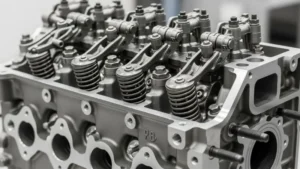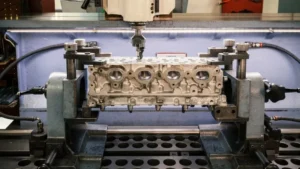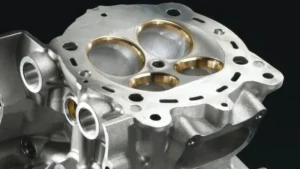
Diesel engines power a wide range of vehicles and equipment, from passenger trucks and pickup vehicles to heavy-duty machinery and industrial generators. Behind their durability and torque lies a series of carefully engineered components that work together to produce controlled combustion. One of the most critical of these components is the diesel engine head, often referred to as the diesel cylinder head.
Although it sits quietly on top of the engine block, the diesel engine head plays a central role in sealing the combustion chamber, controlling airflow, managing heat, and supporting essential engine components. Understanding how it works provides valuable insight into diesel engine performance, reliability, and maintenance.
This guide explains what a diesel engine head is, how it functions, the key components inside it, and why its design is so important for modern diesel engines.
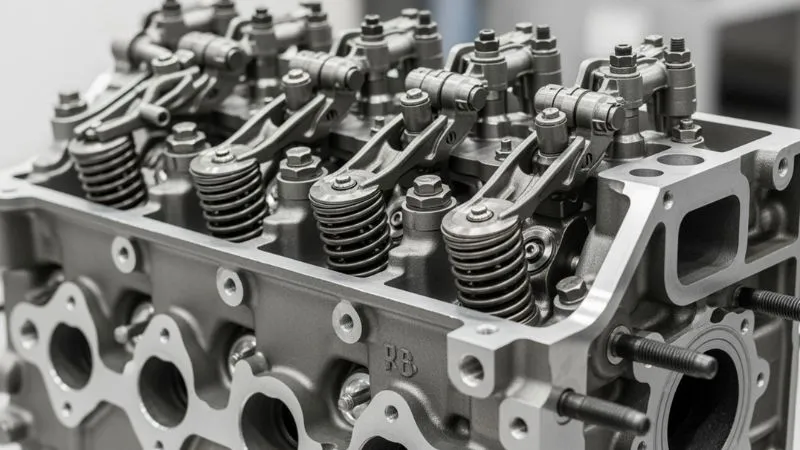
What Is a Diesel Engine Head?
A diesel engine head is the metal component mounted on top of the engine block that seals the cylinders and forms part of the combustion chamber. It works together with the pistons and cylinder walls to create the environment where fuel combustion occurs and mechanical power is generated.
In simple terms, the engine block forms the foundation of the engine, while the cylinder head acts as the upper structure that manages combustion and airflow.
- Sealing the combustion chamber
- Housing valves and fuel injectors
- Controlling intake air and exhaust gases
- Dissipating heat through coolant passages
- Supporting parts of the valvetrain
Because diesel engines rely on extremely high compression to ignite fuel, the cylinder head must withstand very high temperatures and pressures during operation. The integrity of this component directly affects engine power, fuel efficiency, and long-term reliability.
The Role of the Diesel Engine Head in the Combustion Process
To understand the importance of the cylinder head, it helps to look at the four-stroke cycle used by most diesel engines.
During this cycle, the cylinder head controls the movement of air and exhaust gases through a set of precisely timed valves.
1. Intake Stroke
During the intake stroke, the piston moves downward and intake valves open inside the cylinder head. Fresh air flows into the cylinder through intake ports built into the head.
Unlike gasoline engines, diesel engines typically draw in only air, not a fuel-air mixture.
2. Compression Stroke
When the piston moves upward, the intake and exhaust valves close. The air trapped inside the cylinder is compressed into a very small space formed partly by the shape of the cylinder head.
This compression dramatically increases temperature and pressure.
3. Power Stroke
At the peak of compression, the fuel injector located in the cylinder head sprays diesel fuel into the hot compressed air. Because diesel engines rely on compression ignition, the fuel ignites immediately without a spark plug.
The resulting combustion forces the piston downward, generating power.
4. Exhaust Stroke
Finally, the exhaust valve opens and the piston pushes the burned gases out through the exhaust ports in the cylinder head.
This cycle repeats thousands of times per minute, meaning the cylinder head must constantly manage airflow, fuel injection, and extreme heat.
Main Components Inside a Diesel Engine Head
Intake Ports
Intake ports are channels that guide fresh air from the intake manifold into the combustion chamber. These ports are carefully shaped to improve airflow and create turbulence inside the cylinder.
Proper airflow design helps diesel engines achieve:- Efficient combustion
- Better fuel economy
- Higher power output
Exhaust Ports
Exhaust ports allow burned gases to leave the combustion chamber after combustion. They connect the cylinder head to the exhaust manifold and must handle extremely hot gases.
The design of these ports directly affects engine breathing and exhaust efficiency.
Valves
- Intake valves allow fresh air into the combustion chamber.
- Exhaust valves release the burned gases after combustion.
Valve Seats and Valve Guides
Valve seats provide the surface where the valves seal tightly when closed. A perfect seal is necessary to maintain proper compression.
Valve guides keep the valve stems aligned so they move smoothly without excessive wear.
Fuel Injector Bore
Modern diesel engines place the fuel injector directly inside the cylinder head. The injector bore is precisely machined to position the injector tip at the correct angle inside the combustion chamber.
This placement allows diesel fuel to be sprayed under very high pressure into compressed air, ensuring efficient combustion.
Coolant Passages
Because combustion generates intense heat, the cylinder head contains internal coolant passages often called coolant jackets.
Engine coolant circulates through these passages to absorb heat from the combustion chamber and valves. Without this cooling system, the cylinder head could quickly overheat and fail.
Oil Passages
Oil channels inside the cylinder head deliver lubrication to moving components such as valves, rocker arms, and camshafts.
These passages help reduce friction and extend the life of engine components.
Materials Used in Diesel Cylinder Heads
Cylinder heads must endure constant exposure to heat, pressure, and mechanical stress. For this reason, manufacturers carefully select materials that offer strength and thermal stability.
The two most common materials are cast iron and aluminum alloy.
Cast Iron Cylinder Heads
Cast iron has traditionally been the preferred material for heavy-duty diesel engines.
Advantages include:
- Exceptional strength
- High resistance to heat and pressure
- Long service life
- Lower risk of cracking under extreme loads
Aluminum Cylinder Heads
Aluminum cylinder heads are more commonly used in modern automotive diesel engines.
Advantages include:- Lower weight
- Faster heat dissipation
- Improved fuel efficiency
Diesel Engine Head vs Gasoline Engine Head
| Feature | Diesel Engine Head | Gasoline Engine Head |
|---|---|---|
|
Compression Ratio |
Typically 16:1 – 25:1, requiring stronger and thicker cylinder head structures to withstand high pressure. |
Usually 8:1 – 12:1, operating under lower compression and combustion pressure. |
|
Fuel Delivery Method |
Fuel is injected directly into the combustion chamber through high-pressure injectors mounted in the cylinder head.Fuel is injected directly into the combustion chamber through high-pressure injectors mounted in the cylinder head. |
Fuel and air are typically mixed before entering the cylinder through the intake system (port injection or similar systems). |
|
Combustion Chamber Design |
Designed to create air swirl and turbulence, improving diesel fuel atomization and compression ignition efficiency. |
Designed primarily for air-fuel mixture distribution and spark ignition combustion. |
|
Ignition System |
Uses fuel injectors and compression ignition; no spark plug is required. |
Uses spark plugs installed in the cylinder head to ignite the air-fuel mixture. |
|
Structural Strength |
Built to handle higher combustion pressure and temperature, often with reinforced casting. |
Designed for lower combustion pressure, allowing lighter structures in many engines. |
How do I know if my diesel cylinder head is bad
Cracked Cylinder Head
A cracked cylinder head can allow coolant, oil, or combustion gases to leak into areas where they should not be.
Common symptoms include:- Engine overheating
- White exhaust smoke
- Loss of engine compression and reduced power
- Unexplained coolant loss
- Milky engine oil caused by coolant contamination
Warped Cylinder Head
- Engine overheating
- Loss of compression
- White exhaust smoke
Head Gasket Failure
The head gasket sits between the cylinder head and the engine block, forming a critical seal that keeps combustion pressure, coolant, and engine oil separated. When the gasket fails, combustion gases, coolant, or oil can leak between these systems.
Head gasket failure is often caused by engine overheating, excessive pressure, improper installation, or long-term engine wear. Because diesel engines operate under very high compression, the head gasket is exposed to significant stress during normal operation.
When the gasket seal is compromised, several problems may occur. Combustion gases can enter the cooling system, coolant may leak into the cylinders, or oil and coolant may mix. If the issue is not repaired promptly, the engine may suffer severe overheating, loss of compression, and internal damage.
Common symptoms include:- Engine overheating
- White smoke from the exhaust
- Coolant loss without visible leaks
- Bubbles in the radiator or coolant reservoir
- Milky engine oil caused by coolant contamination
Valve Seat Damage
Valve seats are hardened surfaces inside the cylinder head where the intake and exhaust valves close to form a tight seal. This seal is essential for maintaining proper compression and ensuring efficient combustion.
Over time, valve seats can wear, erode, or become recessed due to constant exposure to high temperatures, combustion pressure, and repeated valve impacts. Engines operating under heavy loads, poor lubrication conditions, or high exhaust temperatures are more susceptible to this type of damage.
When valve seats are worn or damaged, the valves cannot seal properly. This results in compression loss and incomplete combustion, which negatively affects engine performance and efficiency.
Common symptoms include:- Reduced engine power
- Rough engine operation or misfiring
- Increased fuel consumption
- Difficulty maintaining compression
Conclusion
The diesel engine head is far more than a simple cover for the engine block. It is a highly engineered component responsible for sealing the combustion chamber, controlling airflow, supporting fuel injection, and managing heat within the engine.
From intake ports and valves to coolant channels and injector bores, every part of the cylinder head contributes to efficient combustion and reliable engine performance. Understanding how this component works can help vehicle owners, technicians, and parts buyers better diagnose problems, maintain engines, and choose the right replacement components.
If you are sourcing reliable diesel engine components, Xinjin Auto Parts is a manufacturing supplier specializing in automotive drivetrain and engine parts. For product inquiries or cooperation opportunities, please contact us at: https://www.engineassy.com/contact-us/