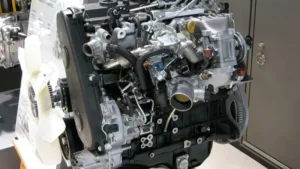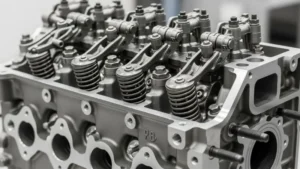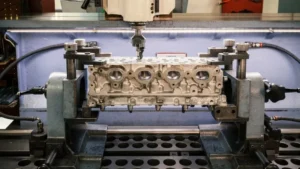
When it comes to engine maintenance, rebuilding, or performance upgrades, the quality of your cylinder head supply can make a significant difference. Cylinder heads are critical components that influence engine efficiency, power output, and longevity. Selecting a reliable supplier is not just about sourcing parts — it’s about ensuring consistency, technical support, and overall peace of mind for your operations. This guide provides practical tips for choosing a trustworthy cylinder head supplier, helping you make informed decisions and maintain a competitive edge.
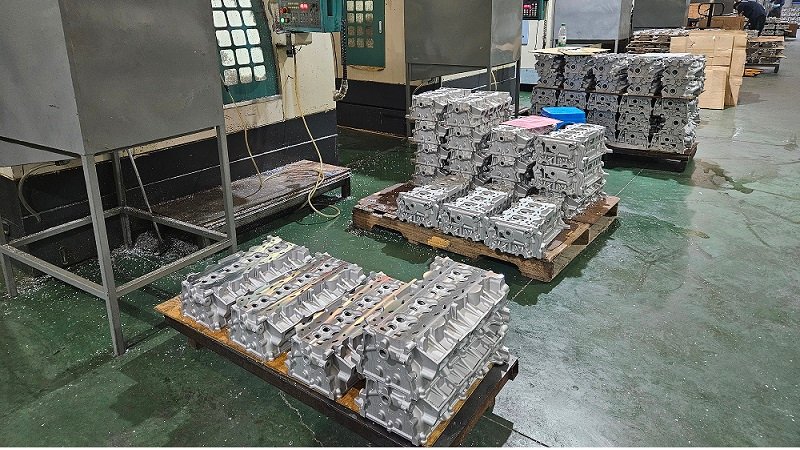
How to Identify Your Cylinder Head Requirements
Material
- Cast Iron: Known for its durability and resistance to wear, cast iron cylinder heads are commonly used in heavy-duty applications, older vehicles, and industrial engines. They provide excellent thermal stability and are often more cost-effective than aluminum heads. However, they are heavier, which can impact vehicle efficiency and performance in applications where weight reduction is critical.
- Aluminum: Aluminum cylinder heads are lighter, which helps improve engine responsiveness, fuel efficiency, and overall vehicle performance. They also dissipate heat more quickly, reducing the risk of overheating under high-performance conditions. Aluminum heads are often preferred for racing, high-performance passenger vehicles, and modern engines designed with weight and thermal efficiency in mind. The trade-off is that aluminum heads are generally more expensive and can be more susceptible to warping if not manufactured or maintained properly.
Type
- OEM Replacement Heads: These heads are designed to match the original factory specifications of a particular engine model. They are ideal for standard maintenance, engine rebuilds, or vehicles that need parts conforming to original tolerances and standards. OEM heads typically ensure compatibility and reliability, reducing the risk of installation issues or performance deviations.
- Aftermarket Performance Heads: Designed for enhanced performance, these cylinder heads often feature improved airflow, larger valves, optimized combustion chambers, or reinforced construction for higher stress tolerance. Aftermarket heads are particularly useful for enthusiasts, racing applications, or situations where engine performance and efficiency need to be maximized. When selecting aftermarket heads, it is important to verify compatibility with your engine block and other components.
Application
- Passenger Vehicles: Standard or daily-use cars often prioritize reliability, longevity, and cost-efficiency. OEM or lightly modified heads are typically suitable for these applications.
- Commercial Trucks and Industrial Machinery: These engines undergo heavier loads and extended operating hours, requiring cylinder heads that are robust, durable, and capable of sustaining high stress over long periods.
- Racing Engines and Performance Builds: Engines for motorsport, track use, or high-performance applications demand heads optimized for airflow, combustion efficiency, and heat management. Precision machining and specialized materials are often required.
Additional Considerations
- Valve Configuration: The number of valves per cylinder affects airflow and combustion efficiency. Some engines require dual overhead cam (DOHC) heads, while others use single overhead cam (SOHC) or pushrod configurations.
- Cooling and Exhaust Integration: Engines may require heads with specific coolant channel designs or exhaust port layouts to match existing manifolds and maintain optimal temperature.
- Compliance and Standards: Certain applications may require heads that meet emission regulations, safety standards, or OEM certifications.
By thoroughly understanding these variables, you are better equipped to discuss your needs with potential suppliers, ensuring they provide cylinder heads that are compatible, reliable, and optimized for your specific application. A detailed requirement analysis at the outset reduces the risk of ordering incompatible parts and supports long-term engine performance and durability.
Assessing a Cylinder Head Supplier’s Experience and Expertise
Years of Operation and Industry Presence
- Length of operation in engine parts manufacturing
- Types of engines or applications they have supported
- Any partnerships with OEMs or major rebuild shops
Technical Knowledge and Engineering Expertise
- Engine Design Principles: Understanding combustion chamber geometry, valve placement, and flow dynamics ensures heads are compatible and optimized.
- Material Science: Knowledge of cast iron and aluminum properties helps in recommending the right cylinder head for durability, weight, and performance.
- Performance Considerations: For aftermarket or racing applications, the supplier should advise on porting, cooling channels, and stress tolerance.
Suppliers who provide engineering consultation, CAD drawings, or design guidance add substantial value, helping you avoid installation issues or mismatched components.
Portfolio of Clients and Industry References
- Have they supplied heads for commercial, passenger, or racing engines?
- Can they provide examples of successfully delivered custom or performance heads?
- Do clients report consistent quality and on-time delivery?
Certifications and Quality Standards
Experience alone is not enough — ensure the supplier follows industry-standard certifications or internal quality protocols. Examples include ISO certifications or adherence to engine manufacturer tolerances. A supplier demonstrating compliance with quality standards signals that their cylinder heads are manufactured with precision and reliability.
Benefits of Working with an Experienced Supplier
- Reduced Risk of Defects: Experienced suppliers are less likely to produce substandard heads.
- Technical Support: They can troubleshoot issues, provide guidance, and offer custom solutions.
- Supply Chain Confidence: Established suppliers maintain inventory buffers and predictable lead times.
By carefully assessing experience, technical knowledge, client portfolio, and certifications, you increase the likelihood of partnering with a cylinder head supplier who delivers consistent quality, reliability, and expertise.
Assess Quality Control Measures
- Material Testing: Ensure raw materials are tested for composition, hardness, and thermal properties.
- Precision Machining: CNC machining should maintain tight tolerances on critical surfaces such as deck, valve seats, and guides.
- Inspection Procedures: Non-destructive testing, pressure tests, and dimensional checks help catch defects before shipping.
- Certification: ISO certifications or industry-specific quality standards indicate a commitment to manufacturing excellence.
Check Lead Times and Supply Reliability
Reliable supply is not just about quality — it’s also about availability and timeliness. Consider:
- Average Lead Time: How long does it take from order placement to delivery? Suppliers with predictable lead times help you plan engine rebuilds and repairs efficiently.
- Inventory Management: Does the supplier maintain sufficient stock to handle unexpected demand spikes?
- Flexibility: Can they scale production or provide priority shipments if your project requires urgent delivery?
A supplier that consistently meets deadlines ensures smoother operations and minimizes downtime in your business.
Evaluate Customization and Technical Support
- Custom Machining: Porting, chamber modifications, or performance-oriented adjustments.
- Design Consultation: Assistance in selecting or designing heads optimized for your specific engine and application.
- Technical Documentation: Access to CAD drawings, material specs, and performance data.
Review Pricing and Total Value
- Unit Price vs Longevity: Cheaper heads may fail sooner, leading to higher long-term costs.
- Bulk Discounts: For rebuilders or commercial clients, volume pricing can offer better value.
- Warranty and After-Sales Support: Suppliers who back their products with warranties demonstrate confidence in their quality.
Watch for Red Flags When Choosing a Cylinder Head Supplier
1. Lack of Transparency in Materials and Manufacturing
- The type of aluminum or cast iron used
- Heat-treatment processes
- Valve seat and guide materials
- Machining tolerances and inspection procedures
2. Inconsistent Communication or Delayed Responses
- Suppliers and buyers may be in different time zones
- Workweek schedules vary by country
- Some regions have different public holidays
- Ignores messages
- Provides incomplete answers
- Changes commitments without explanation
3. Limited Technical Support or Missing Documentation
Cylinder heads require precision engineering. A supplier who cannot provide technical details may lack expertise. Warning signs include:
- No combustion chamber measurements
- No valve train specifications
- No installation guidelines
- No testing or inspection reports
A dependable supplier should assist with technical questions, compatibility checks, and installation considerations.
4. Consistent Negative Feedback or Client Complaints
- Repeated issues with product durability
- Frequent returns due to machining errors
- Complaints about delays or inaccurate specifications
- Negative feedback from OEMs or rebuilders
By recognizing these red flags early, buyers can avoid poor-quality cylinder heads, reduce project delays, and prevent costly engine failures.
Benefits of Choosing a Reliable Cylinder Head Supplier
Partnering with a trustworthy cylinder head supplier delivers long-term advantages, especially for OEMs, performance workshops, and rebuilders. A dependable supplier strengthens every part of your operation, from technical confidence to supply chain stability.
1. Consistent and Verified Quality
- Accurate machining tolerances
- Stable material quality
- Repeatable performance across batches
- Thorough inspection reports for each shipment
2. Increased Operational Efficiency
- Plan rebuild or assembly projects more accurately
- Maintain stable inventory levels
- Reduce downtime caused by unexpected delays
3. Access to Technical Expertise and Engineering Support
- Recommending the correct cylinder head based on engine model and application
- Advising on port design, cooling channels, and material selection
- Offering installation tips and troubleshooting assistance
- Providing drawings, data sheets, and performance reports
4. Stable Long-Term Partnerships
- Stable pricing
- Priority production slots
- Faster custom projects
- Better coordination for bulk orders
- Reduced supply chain risks
5. Enhanced Business Reputation
For engine rebuilders, distributors, and OEMs, using high-quality cylinder heads reinforces reliability. Customers notice fewer failures, smoother performance, and longer engine life—all of which improve your brand’s credibility.
Conclusion
Choosing a reliable cylinder head supplier is a strategic decision that affects every aspect of engine performance, maintenance, and customer satisfaction. By carefully assessing your needs, evaluating supplier expertise, verifying quality control, checking supply reliability, and reviewing technical support, you can make informed decisions that protect your investments and ensure consistent results.
For those seeking a dependable and professional partner, XINJIN AUTO PARTS offers high-quality cylinder heads with factory-level precision and customizable solutions. As a trusted manufacturer, we provide reliable supply, technical support, and tailored services to meet your specific requirements. If you are interested in learning more or collaborating with us, please feel free to contact us.