For fleet operators, the engine is more than just the heart of a vehicle. It directly affects uptime, maintenance budgets, long-term reliability, and the total cost of ownership. When an engine reaches the end of its service life or fails unexpectedly, fleet managers face an important decision: replace it with a remanufactured engine or invest in a new engine.
Both options can keep vehicles on the road, but the differences in cost, performance, reliability, and long-term value can be significant. Understanding these differences is essential for choosing the solution that aligns with the operational and financial needs of a fleet.
This article provides a balanced, in-depth comparison of remanufactured and new engines, focusing specifically on fleet applications, where downtime, predictability, and lifecycle cost matter most. While both engine types have advantages, fleet operators often find that new engines deliver more consistent and sustainable value over the long term.
What Is a Remanufactured Engine?
Compared with a rebuilt engine, a remanufactured one undergoes:
- Complete teardown and inspection
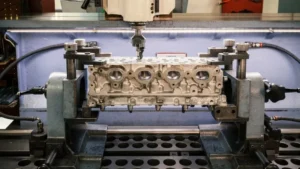
- Machining of critical surfaces
- Replacement of major wear components such as pistons, rings, bearings, and seals
- Testing for compression, oil pressure, and clearances
- Assembly that meets predetermined specifications
Remanufactured engines can be a cost-effective way to extend the life of an aging fleet vehicle while ensuring acceptable performance—provided the reman facility follows strict procedures.
What Is a New Engine?
- Full manufacturer warranty
- Guaranteed performance and reliability
- No variation in parts origin or machining
- Consistent quality control during assembly
- Longer expected service life
For fleet operators, these factors often translate into reduced maintenance, predictable performance, and fewer operational disruptions.
Cost Comparison: Upfront vs Long-Term Value
Upfront Cost
- Newly manufactured components
- Factory-level assembly and testing
- Higher quality assurance standards
However, focusing on upfront cost alone may result in overlooking lifecycle expenses.
Long-Term Cost Considerations
- Maintenance frequency
- Downtime for repairs
- Fuel efficiency
- Warranty coverage
- Expected engine lifespan
A remanufactured engine, especially if sourced from an inconsistent supplier, may introduce variation in wear tolerances, machining precision, and component quality. This can lead to earlier maintenance issues or shorter engine life. For a single personal vehicle, this might be acceptable. For fleets operating dozens or hundreds of vehicles, even small inconsistencies can accumulate into substantial downtime and higher repair costs.
Performance and Reliability in Fleet Applications
Performance Stability
- The condition of the donor engine
- The quality of machining and replacement parts
- The expertise of the remanufacturing facility
- The use of aftermarket components
This means reliability can differ from unit to unit, which may impact the consistency of a fleet’s performance.
Operational Predictability
- Vehicle downtime disrupts schedules
- Repairs affect labor and logistical planning
- Replacement parts availability matters
- Warranty consistency reduces risk
With new engines, fleet operators know exactly what to expect. Remanufactured units can be reliable, but variability between engines is a common concern voiced by fleet maintenance teams.
Warranty and Support Differences
New Engine Warranty
New engines typically come with the longest and most comprehensive warranties. This reduces financial risk and contributes to more predictable maintenance planning. For fleets, this is a significant advantage because warranty claims may cover both parts and labor, depending on the manufacturer.
Remanufactured Engine Warranty
Reman engines usually include a warranty, but coverage varies widely among suppliers. Some offer comprehensive terms, while others provide limited coverage. In addition, coverage for labor or consequential damage may be restricted.
For fleet operators, warranty stability is often a key factor when evaluating long-term value.
Component Consistency and Material Quality
New Engines: Fully Controlled Components
- Heat distribution
- Wear characteristics
- Internal pressure balance
- Seal integrity
- Overall engine lifespan
This is particularly important for fleets operating in harsh environments or heavy-duty conditions.
Remanufactured Engines: Component Variation
- The condition of the original donor engine
- The quality of machining
- Tolerance accuracy after resurfacing
Variation in these components can result in slight performance inconsistencies within a fleet, making maintenance planning less predictable.
Environmental Considerations
When a Remanufactured Engine Makes Sense
- The vehicle is near the end of its operational life
- Initial budget constraints are significant
- The reman supplier has a strong, verifiable reputation
- The vehicle does not operate under heavy-duty conditions
- Short-term performance needs outweigh long-term planning
For mixed-use or older fleets, reman engines can be a practical way to control expenses.
When a New Engine Is the Better Choice for Fleet Owners
1. Maximum Reliability for High Utilization Vehicles
Vehicles that run daily, carry heavy loads, or operate in commercial roles benefit from the dependable performance of new engines.
2. Minimized Downtime
New engines reduce the likelihood of unexpected failures, allowing fleets to maintain schedule consistency, avoid costly delays, and reduce unplanned service intervals.
3. Longer Service Life
With all-new components and factory tolerances, new engines offer a longer and more predictable lifespan—a key factor for calculating total cost of ownership.
4. Stronger Warranty Protection
Comprehensive warranties help fleet owners manage risk and reduce repair costs over time.
5. Greater Fuel Efficiency
For these reasons, many fleet managers ultimately choose new engines, even if the upfront cost is higher. The long-term financial and operational benefits outweigh the initial investment, making new engines a strategic choice for fleets that prioritize reliability, longevity, and predictable performance.
Conclusion
Choosing between a remanufactured and a new engine requires careful consideration of cost, reliability, performance, and long-term operational needs. Remanufactured engines can offer a practical short-term solution, especially for older vehicles or budget-limited scenarios. However, for fleet owners who prioritize uptime, lifecycle value, and predictable performance, new engines consistently deliver superior long-term benefits.
If you are evaluating options for your fleet and require high-quality new engines, XINJIN Auto Parts offers factory-direct supply, precision manufacturing, and reliable support for international customers.