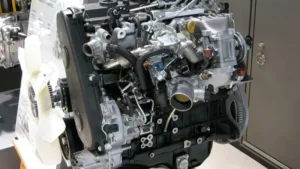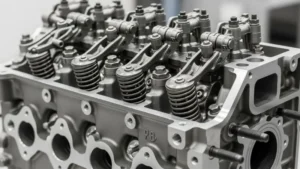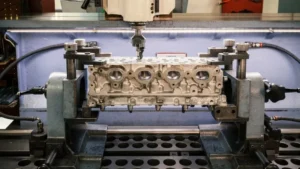
In the world of professional engine maintenance and vehicle restoration, the debate between Original Equipment Manufacturer (OEM) components and aftermarket solutions is perpetual. When an engine is down due to a failed cylinder head, the pressure to restore operation is immense. For many, the instinct is to reach for the OEM catalog, believing it to be the only path to guaranteed quality. However, the landscape of engine component manufacturing has shifted significantly over the last decade.
Today, choosing aftermarket cylinder heads is no longer just a budget-conscious compromise; it is often a strategic decision based on improved engineering, availability, and long-term durability. Understanding the nuances of this choice requires a deep dive into metallurgy, manufacturing tolerances, and the practical realities of modern engine repair.
The Evolution of Aftermarket Engineering
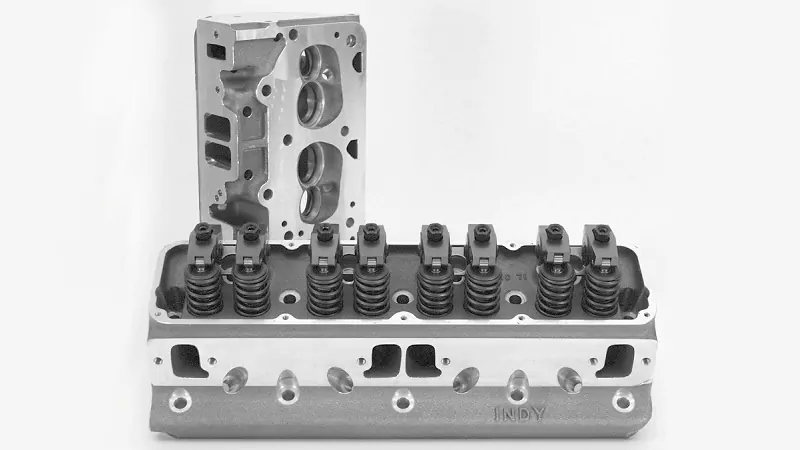
Historically, the term “aftermarket” carried a stigma of being “second-best.” Early independent manufacturers often struggled to replicate the precise cooling galleries or metallurgical consistency of factory heads. That era is long gone. Modern aftermarket cylinder heads are frequently produced using the same CAD/CAM technologies and high-precision CNC machining centers found in OEM facilities.
In many cases, aftermarket manufacturers have a distinct advantage: hindsight. When an OEM releases an engine, they are often constrained by the manufacturing technology and cost-benefit analyses of that specific time. As those engines accumulate thousands of hours in the field, “common fail points” begin to emerge—perhaps a specific cooling passage is too narrow, leading to localized overheating, or a certain area of the casting is prone to stress fractures.
High-quality aftermarket producers analyze these systemic failures. Instead of simply copying the original part, they re-engineer it. By adding more material to high-stress areas or optimizing the flow of coolant through the head, these upgraded components often outlast the original parts they replace.
Material Matters: Cast Iron and the Strength of Modern Alloys
For those dealing with heavy-duty engines or high-performance builds, material integrity is non-negotiable. While much of the automotive world has trended toward aluminum for weight reduction, many sectors remain loyal to cast iron for its superior thermal stability and rigidity.
Aftermarket cylinder heads made from grey cast iron or Compacted Graphite Iron (CGI) offer the structural integrity required to withstand the immense cylinder pressures of turbocharged engines. The casting process is where the quality gap is closed. Leading aftermarket foundries utilize advanced pouring techniques to ensure that there are no internal porosities or inclusions that could lead to a catastrophic failure under load.
When evaluating aftermarket options, look for:
- Casting Thickness: Often superior to OEM in known “weak spots.”
- Valve Seat Integrity: High-grade alloys that resist recession and heat-cycling fatigue.
- Surface Finish: Precision-milled deck surfaces that ensure a perfect seal with the head gasket, preventing leaks.
Availability and the "Down-Time" Factor
One of the most practical reasons to choose aftermarket cylinder heads is simply getting the engine back together faster. In the current global climate, OEMs often prioritize their supply chains for new vehicle production, leaving the spare parts market with long backorders and frustrating lead times.
Aftermarket suppliers are generally more agile. Because their entire business model is built around supporting existing engines, they maintain higher stock levels for a wider variety of engine generations. Whether you are working on a late-model truck or a piece of equipment that hasn’t been in production for a decade, the aftermarket often has a “shelf-ready” solution. Reducing the time an engine sits in pieces on a shop floor is a major advantage for any project manager or mechanic.
Compatibility and the "Plug-and-Play" Requirement
A common concern when moving away from OEM is fitment. Will the bolt holes line up? Will the valve geometry match the existing rocker arms? Will the fuel injector sleeves be seated at the correct depth?
Professional-grade aftermarket cylinder heads are designed for “drop-in” compatibility. This means every port, every threaded hole, and every mounting surface is indexed to the exact specifications of the original engine. In fact, many of the world’s most reputable aftermarket brands are produced in the same specialized factories that contract for major engine brands. When you buy a high-quality aftermarket head, it is often cast in a facility that holds international quality certifications, ensuring that the part you receive fits exactly like the one you took off.
Common Signs It’s Time for a Replacement
Understanding when to opt for a new aftermarket cylinder head rather than attempting a repair is crucial. While many heads can be surfaced or have seats replaced, there are certain red flags that make a full replacement the safer choice:
- Visible Cracks between Valve Seats: Often a sign of localized overheating that cannot be safely welded.
- Warping Beyond Limits: If the head deck is warped beyond the maximum machining limit, it will never seal correctly.
- Internal Corrosion: Excessive pitting in the water jackets can lead to structural thinning and eventual failure.
Bridging the Gap in Your Engine Build
The decision between OEM and aftermarket is ultimately about finding the best balance of performance and reliability. For the modern mechanic or engine rebuilder, the aftermarket represents an opportunity to improve upon the original design. By focusing on precision-engineered components that address the real-world demands of the engine, you ensure that your equipment remains operational for the long haul.
At XJXPARTS, we are a dedicated factory specializing in high-performance engine components. We provide precision-engineered aftermarket solutions that meet or exceed the toughest industry standards. If you are looking for a reliable partner for your engine needs, please Contact Us today to discuss your requirements.