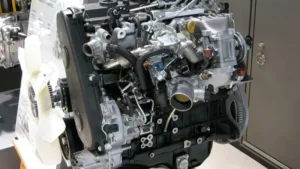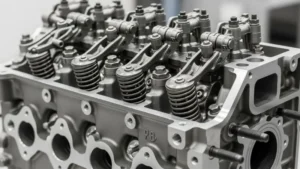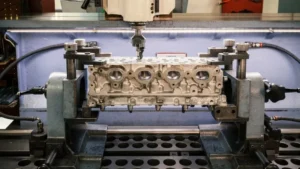

This guide explains why break-in matters, the best methods, common mistakes to avoid, and practical steps you can follow during the first key stages of engine operation. The goal is to give you a complete, clear, and actionable reference that helps your engine reach its full potential—whether it’s installed in a daily driver, performance car, or commercial vehicle.
Why a Break-In Period Is Necessary
1. Establishing a Proper Piston Ring Seal
- Compression is higher
- Oil consumption is reduced
- Blow-by gases are minimized
- The engine generates more consistent power
2. Allowing Bearings and Rotating Assemblies to Bed-In
- Remove machining stresses
- Stabilize clearances
- Promote smooth rotation
- Extend long-term reliability
3. Stabilizing Gasket and Seal Performance
- Minimizes oil leaks
- Prevents coolant seepage
- Helps maintain pressure integrity across all systems
4. Ensuring Proper Lubrication and Wear Patterns
Controlled load variation helps distribute oil correctly and ensures friction surfaces develop even wear patterns. A consistent pattern supports both performance and durability.
Initial Start-Up Procedure (The First 10–15 Minutes)
1. Verify Fluids Before Cranking
- Correct engine oil level
- Proper coolant level and air bleeding
- Transmission and power steering fluids (if applicable)
2. Avoid Prolonged Idling
- Allow the engine to idle only long enough to confirm oil pressure
- Then raise the revs gently to 2,000–2,500 rpm for 10–15 minutes
3. Watch for Abnormal Signs
- Monitor coolant temperature
- Check for leaks
- Ensure stable oil pressure
- Listen for unusual noises
Break-In Driving Guidelines (First 500–1,000 km)
1. Vary Engine Speed Frequently
- Alternate between light and moderate acceleration
- Let the engine decelerate naturally with engine braking
- Change rpm every few minutes
2. Avoid Full-Throttle Operation
- Full throttle
- Maximum rpm
- High boost (for turbocharged engines)
- Heavy towing
3. Use Engine Braking
Engine braking pulls the rings against the other side of the cylinder wall compared to acceleration. This creates an even wear pattern and improves sealing. When safe, lift off the throttle gradually and allow the vehicle to slow down in gear.
4. Do Not Use Cruise Control
Cruise control holds the engine at a steady rpm, preventing the load variation required for break-in.
5. Keep Engine Temperature in the Normal Range
Overheating during break-in can permanently damage the engine. If the temperature gauge rises above normal, reduce load or stop the vehicle to cool down.
The First Oil Change and Why It Matters
- First oil change at 300–500 km
- Second oil change at 1,000–1,500 km
- Initial break-in releases microscopic metal particles
- These are captured by the oil but should not circulate long
- Fresh oil ensures proper lubrication during continued break-in
Break-In for Turbocharged Engines
1. Allow Proper Cool-Down
2. Limit Boost
3. Use High-Quality Oil
Break-In for High-Performance Engines
- Performing several controlled acceleration runs (40–60% throttle)
- Allowing full engine cool-down between sessions
- Avoiding soft or gentle break-in driving only, which can glaze cylinders
Common Break-In Mistakes to Avoid
1. Idling Too Much
2. Babying the Engine
3. Over-Revving
4. Ignoring Fluid Levels
5. Using Synthetic Oil Too Early
How to Tell If Your Break-In Was Successful
- Stable oil consumption
- Strong and consistent compression
- Smooth acceleration
- Clean spark plugs
- No abnormal noises
- No excessive smoke from the exhaust
If any symptoms appear abnormal, inspecting the engine early helps prevent long-term problems.
Long-Term Benefits of a Proper Break-In
- Higher overall engine power
- Lower oil consumption
- Better fuel efficiency
- Reduced blow-by
- Longer engine lifespan
- Improved reliability under heavy load
- Smoother operation and reduced noise
This makes the break-in process one of the most cost-effective ways to protect your investment.
Final Thoughts
XinJin Auto Parts specializes in manufacturing brand-new engines, cylinder heads, and a wide range of high-quality automotive components. We focus on delivering reliable performance, durable construction, and competitive pricing to support workshops, distributors, and fleet operators.
If you’re looking for dependable engine-related products or planning a new build or replacement project, feel free to contact us!