Choosing the right cylinder head is one of the most critical decisions in any engine build or rebuild. Whether you are restoring an OEM engine, upgrading for performance, or sourcing components for resale, the cylinder head has a direct impact on airflow, combustion efficiency, power output, durability, and overall engine behavior.
Despite its importance, many buyers make decisions based on incomplete information—often focusing on brand names, advertised flow numbers, or price alone. This approach frequently leads to mismatched components, poor drivability, premature wear, or disappointing performance gains.
This guide explains how to choose a cylinder head correctly by focusing on real-world application, engineering fundamentals, and practical selection criteria. It is intended for engine builders, workshops, parts buyers, and informed enthusiasts who want results that are measurable, repeatable, and reliable.
Understanding the Role of the Cylinder Head
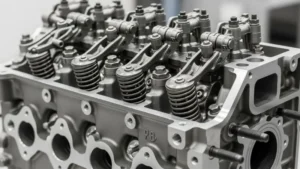
The cylinder head controls how air and fuel enter the combustion chamber and how exhaust gases exit. It also houses critical components such as valves, valve springs, camshaft interfaces (in overhead cam designs), spark plugs or injectors, and cooling passages.
In simple terms, the cylinder head determines:
- How efficiently the engine breathes
- How stable combustion is across the RPM range
- How well heat is managed under load
- How compatible is the engine with other components
Define the Engine’s Intended Use First
Before evaluating materials, port designs, or valve sizes, the most important step is defining how the engine will be used. Cylinder heads must match the operating conditions of the engine, not just its displacement.
Consider the following questions:
- Is the engine for daily driving, towing, or commercial use?
- Is it designed for track racing, drag racing, or off-road conditions?
- Will it operate mostly at low RPM, mid-range, or high RPM?
- Is long-term durability more important than peak power?
For example, a cylinder head optimized for high-RPM racing may perform poorly in a street engine that spends most of its time below 4,000 RPM. Conversely, a conservative OEM-style head may restrict airflow in a performance-oriented build.
Defining the application early prevents overbuying or under-specifying the component.
Material Selection: Cast Iron vs Aluminum
Cylinder heads are typically manufactured from cast iron or aluminum, and each material has distinct advantages.
Cast Iron Cylinder Heads
Cast iron heads are commonly found in OEM applications and heavy-duty engines. They offer:
- High durability and wear resistance
- Excellent stability under sustained load
- Lower manufacturing and replacement costs
Aluminum Cylinder Heads
Aluminum heads are widely used in modern engines and performance builds due to:
- Reduced weight
- Superior heat dissipation
- Greater tolerance for higher compression ratios
Choosing the right material depends on operating conditions, budget, and performance goals rather than material preference alone.
Intake and Exhaust Port Design Matters More Than Size
One of the most common mistakes when choosing a cylinder head is focusing solely on port size. Larger ports do not automatically mean better performance.
What matters is port velocity, not just volume.
- Smaller, well-shaped ports improve low- and mid-range torque
- Excessively large ports can reduce air velocity, hurting throttle response
- Poor port geometry can cause turbulence and uneven cylinder filling
A properly designed port balances airflow volume with velocity to match the engine’s RPM range. For most street and commercial applications, moderate port sizing with efficient shaping produces better real-world results than oversized ports designed for peak flow numbers.
Valve Size and Configuration
Valve size influences how much air the engine can move, but bigger valves are not always better.
Key considerations include:
- Bore size: Oversized valves can shroud against the cylinder wall
- Camshaft profile: Valve lift and duration must match valve size
- Combustion chamber design: Valve placement affects flame travel
A balanced valve setup ensures smooth airflow without compromising combustion efficiency. Oversized valves in an otherwise stock engine often deliver minimal gains and can reduce drivability.
Combustion Chamber Design and Compression Ratio
The shape and volume of the combustion chamber directly affect compression ratio, combustion stability, and emissions.
When selecting a cylinder head, evaluate:
- Chamber volume compatibility with piston design
- Quench area for efficient flame propagation
- Spark plug location and angle
An incompatible chamber design can increase detonation risk or require extensive tuning to compensate. Always calculate the final compression ratio using actual component specifications, not advertised estimates.
Valvetrain Compatibility
Cylinder heads must be compatible with the entire valvetrain system, including:
- Camshaft type (flat tappet, roller, overhead cam)
- Valve spring pressure requirements
- Rocker arm geometry
- Pushrod length (where applicable)
Mismatched components can lead to accelerated wear, valve float, or mechanical failure. Many cylinder head issues originate not from the head itself, but from poor valvetrain integration.
Cooling and Oiling Considerations
Cylinder heads play a major role in engine thermal management. Poor cooling design can cause hotspots, warped surfaces, or head gasket failures.
Look for:
- Proper coolant passage alignment
- Adequate material thickness around exhaust ports
- Oil drain-back efficiency
This is especially important for turbocharged engines, high-load applications, and commercial vehicles that operate under sustained stress.
Machining Quality and Assembly Standards
Not all cylinder heads are created equal, even when specifications appear similar.
Critical quality indicators include:
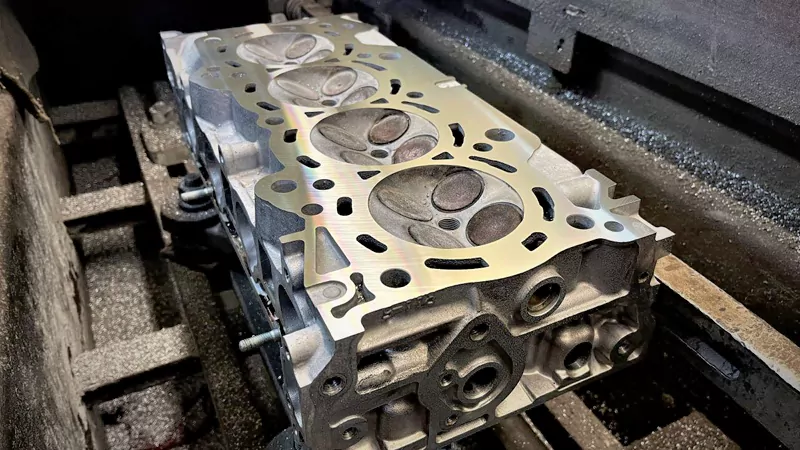
- Precision CNC machining
- Flatness of the deck surface
- Valve seat concentricity
- Guide clearance accuracy
Pre-assembled heads should be inspected for spring pressures, installed heights, and torque consistency. A cylinder head is only as good as the machining and assembly behind it.
OEM Replacement vs Aftermarket Performance Heads
OEM-style replacement heads are designed for reliability, emissions compliance, and compatibility. They are ideal for stock rebuilds and fleet maintenance.
Aftermarket performance heads offer:
- Improved airflow
- Revised port and chamber designs
- Stronger materials and components
The correct choice depends on the engine’s purpose. Installing performance heads on an otherwise stock engine may require additional upgrades to realize their benefits.
Avoiding Common Buying Mistakes
Many problems arise not from defective products but from poor selection decisions. Common mistakes include:
- Choosing heads based on peak flow numbers alone
- Ignoring the rest of the engine combination
- Assuming brand reputation guarantees compatibility
- Overlooking machining and quality control details
Taking a system-level approach always produces better results.
Final Thoughts: Choosing with Confidence
Selecting the right cylinder head requires more than comparing specifications. It demands an understanding of airflow dynamics, mechanical compatibility, operating conditions, and manufacturing quality.
When chosen correctly, a cylinder head enhances performance, reliability, and long-term value. When chosen poorly, it becomes a bottleneck or a liability.
About XJXPARTS
At XJXPARTS, we specialize in manufacturing and supplying high-quality automotive engine components, including cylinder heads for a wide range of applications. As a factory-direct supplier, we focus on consistent machining quality, reliable materials, and practical solutions for both OEM replacement and aftermarket needs.
If you are selecting cylinder heads for a specific engine or project and need professional support, you are welcome to contact our team at any time.