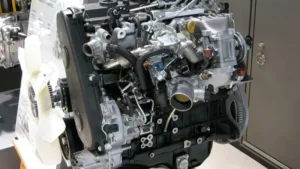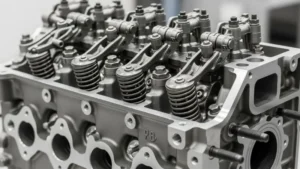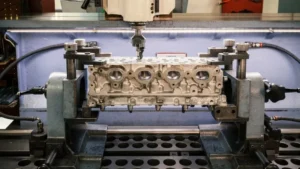
Let’s be honest — a cylinder head isn’t exactly the star of your car, but when it goes bad, everyone notices. It’s the part that seals the top of your engine, keeps air and fuel flowing properly, and holds all those little components like valves and spark plugs. Ignore it, and you might end up with a car that smokes like a chimney, overheats, or just refuses to cooperate. Knowing what it does, how to spot trouble, and what it costs to fix it can save you a lot of headaches (and cash).
How Do You Know Your Cylinder Head Is Acting Up?
When a cylinder head starts misbehaving, it usually drops subtle hints. White smoke puffing out of the exhaust? That’s your engine telling you coolant is sneaking into the combustion chamber. Milky oil? That’s coolant mixing with oil, and it’s never a good party. Frequent overheating, power loss, or random misfires are more screaming signals that something’s off. Basically, if your engine feels moody, the cylinder head is one of the usual suspects.
Causes of Cylinder Head Damage
Most of the time, it’s heat. Too much of it. Think of your engine running hot because of low coolant, a stuck thermostat, or a clogged radiator — metals expand, and suddenly your cylinder head is warped or cracked. Bad coolant, sloppy maintenance, or someone previously tightening bolts with the strength of a gorilla can also speed things along. Keep your cooling system in check, and you’ll keep your head — literally — in one piece.
You don’t want a mechanic poking around blindly. A proper diagnosis usually starts with a cooling system pressure test. White exhaust smoke, bubbles in the radiator, or milky oil all point to a head that’s not playing nice. Sometimes, the head needs to come off for a closer look — a little bit like checking under the hood for a secret stash of mischief. This way, you fix the real problem and not just a symptom.
Repair or Replace?
If the damage is minor, repairs like welding, resurfacing, or pressure testing can keep your head in shape. It’s a budget-friendly solution that works for older cars or diesel engines where parts cost a small fortune. But if your cylinder head looks like it survived a demolition derby, replacement is the way to go. Think of it like a tooth: a small cavity can be filled, but sometimes you just need a crown. Replacement = long-term peace of mind; repair = quick fix that works if you’re lucky.
What Happens When You Replace a Cylinder Head?
Replacing a cylinder head isn’t a five-minute job. The mechanic will take off all the bits in the way — intake, exhaust, valve cover, timing components — then carefully remove the old head. After cleaning the engine block, a new gasket is installed, the head goes back on, bolts get torqued just right, and everything else goes back together. Precision is key here; get it wrong and you’re back to square one with leaks and misfires.
Cylinder Head Replacement Cost
Here’s the part everyone wants to know. The cost depends on the car, labor rates, and whether you choose a new or remanufactured head. To give you a ballpark: small cars can cost between $800 and $1,500, bigger trucks and SUVs around $1,500 to $3,500, and diesel or performance engines can go $3,000 to $5,000 or more. Labor often takes up more than half the bill, because this isn’t a “pop the hood and go” job.
Tips to Keep Costs Under Control
Get a few quotes before committing, and don’t ignore remanufactured heads — they can save a bundle without compromising quality. For garages, importers, or resellers, going factory-direct often cuts the middleman out and keeps prices reasonable. At XINJIN Engine, we supply OEM-quality cylinder heads, camshafts, and full head assemblies. Bulk orders, worldwide shipping, and custom solutions are all part of the deal — no surprises, just quality.
Conclusion
A bad cylinder head can quickly turn a simple drive into a nightmare. Spot the signs early, understand your options, and know the cost before diving in. With the right approach, you can keep your engine happy, your wallet intact, and maybe even enjoy the drive again. Remember: a little care today saves a lot of smoke tomorrow.