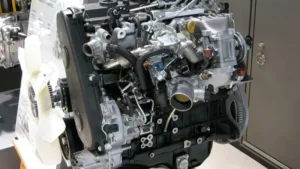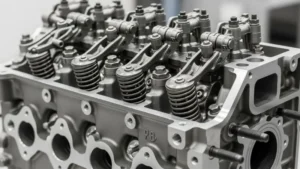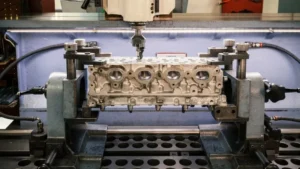
When an engine fails or a performance upgrade is on the horizon, one of the most significant decisions a vehicle owner or technician faces is how to handle the cylinder head. It is the “lungs” of the engine, controlling the air intake and exhaust flow that determines power, efficiency, and longevity.
The choice usually boils down to two options: buying a bare cylinder head or a complete cylinder head assembly. While the price difference is the first thing people notice, the real impact lies in the labor, precision, and specialized tools required for the job. This guide will break down everything you need to know to make the right choice for your engine and your budget.
What is a Bare Cylinder Head?
A bare cylinder head is essentially the raw casting of the head. It is a high-precision piece of metal—typically aluminum alloy or cast iron—that has been cast and then CNC-machined to provide the structure for the combustion chambers, ports, and cooling passages.
When you purchase a bare head, you are getting the “skeleton.” While it usually includes the valve seats and valve guides already pressed into the metal, it does not include any of the moving parts.
What You Will Need to Add:
- Valves: Both intake and exhaust.
- Valve Springs: To ensure the valves close rapidly and stay closed.
- Retainers and Keepers: To lock the springs in place.
- Valve Stem Seals: To prevent oil from leaking into the combustion chamber.
- Camshafts: In the case of Overhead Cam (OHC) engines.
- Lifters, Rockers, or Buckets: Depending on the specific engine design.
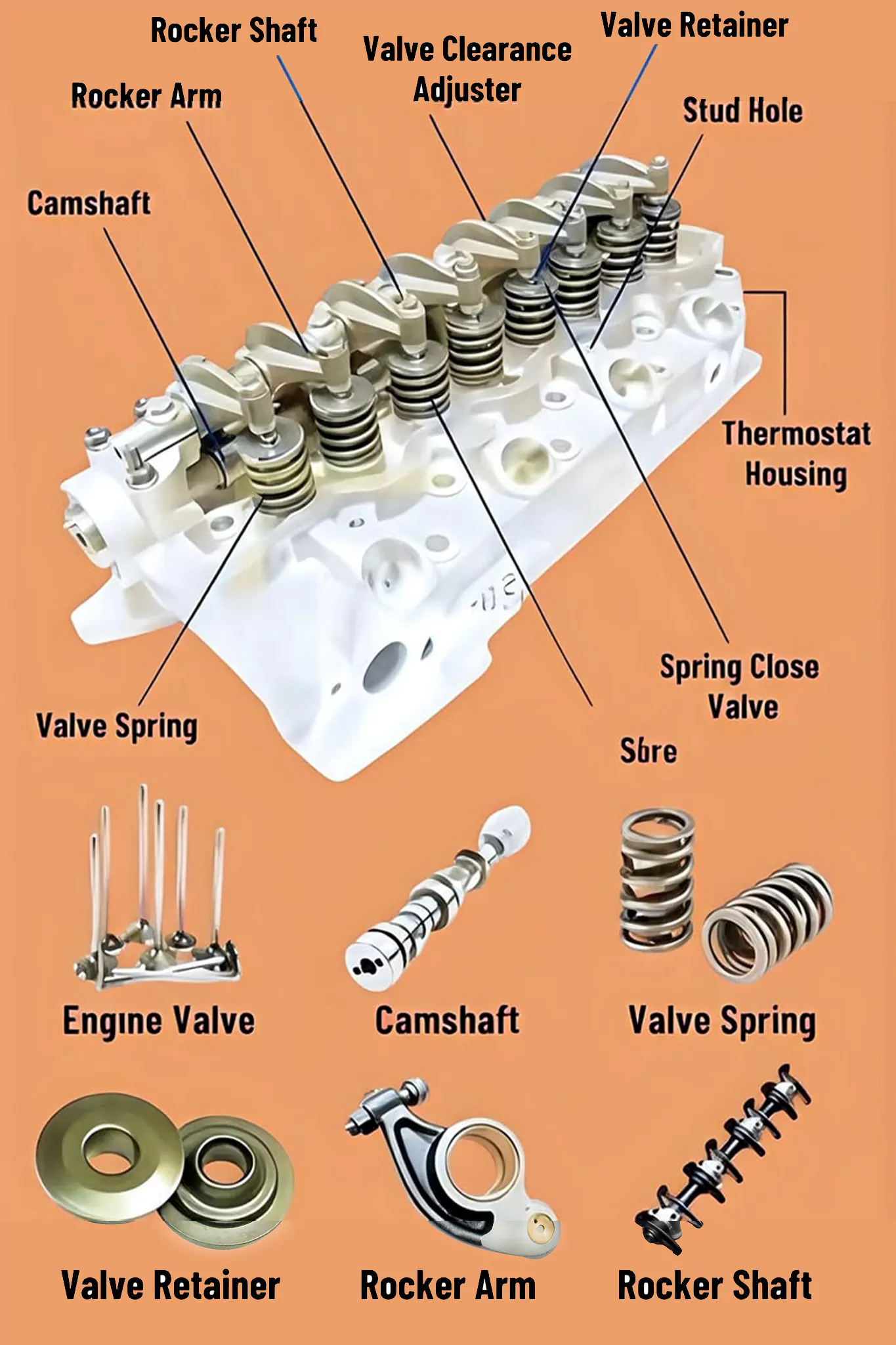
The bare head is often the choice for those who already have high-quality internal components from a previous build or for those who want to customize every single internal part for high-performance applications.
What is a Cylinder Head Assembly?
A cylinder head assembly, often called a “complete head” or “loaded head,” is a turnkey solution. It arrives at your door fully populated with all the internal components mentioned above. These parts are installed, shimmed, and tested at the factory before shipping.
For many modern engines, especially those with complex Variable Valve Timing (VVT) or Overhead Cam designs, the assembly comes with the camshafts already timed and torqued. This “plug-and-play” nature makes it the go-to choice for most modern repairs.
The Immediate Benefits:
- No specialized assembly tools required.
- Reduced risk of component incompatibility.
- Massive time savings during the installation process.
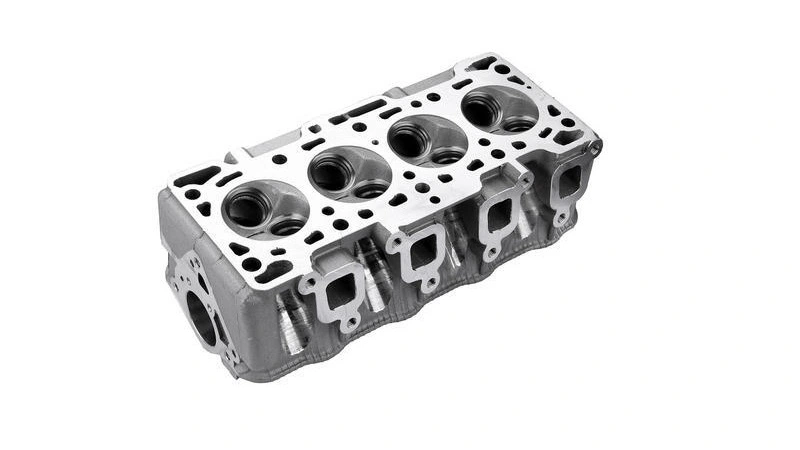
Comparing Bare vs. Assembled Heads
To decide which option is right for your project, we need to compare them across four main pillars: labor, cost, precision, and reliability.
1. Labor and Time Investment
The most significant difference between a bare head and an assembly is the amount of work you have to do before the head can actually be bolted onto the engine block.
- The Bare Head Path: If you choose a bare head, the assembly process is meticulous. You must clean your old valves (if reusing), lap them into the new seats to ensure a perfect seal, install new stem seals without tearing them, and use a valve spring compressor to install the springs and keepers. For a 16-valve or 24-valve engine, this can easily take 4 to 8 hours of focused labor.
- The Assembly Path: With a complete assembly, the “bench work” is already done. You simply clean the engine block surface, lay down a new head gasket, and bolt the assembly on. For a busy shop or a DIYer working in a driveway, this can save an entire day of work.
2. The True Cost Analysis
At first glance, a bare head looks much cheaper. However, the “sticker price” is often misleading.
When buying a bare head, you must factor in the cost of:
- New Valves: Often $10–$30 each.
- Valve Spring Kit: Can range from $100 to $400.
- Valve Seals: $20–$50.
- Machine Shop Labor: If you aren’t comfortable lapping valves or checking clearances yourself, a machine shop will charge hundreds of dollars to assemble the head for you.
When you add these costs together, the price of a bare head plus components often equals or exceeds the price of a factory-built assembly. The assembly offers “economies of scale”—factories buy valves and springs by the thousands, passing those savings on to the buyer.
3. Precision and Quality Control
Engine tolerances are measured in thousandths of an inch. A small mistake during assembly can lead to catastrophic engine failure.
- Vacuum Testing: Professional manufacturers use vacuum testers to ensure that every valve is sealing 100% against its seat. If there is even a tiny leak, the cylinder will lose compression, leading to a rough idle and lost power.
- Spring Tension: Factories use calibrated machines to ensure valve springs have the exact “seat pressure” required. Using old, tired springs on a new bare head is a common mistake that leads to “valve float” at high RPMs.
- Cleanliness: Assembling a head in a dusty garage is risky. Factories use “clean room” environments to ensure no grit or metal shavings get trapped under a valve seal or camshaft journal.
Common Scenarios: Which Should You Buy?
Scenario A: The Daily Driver Repair
Your daily-use sedan has a cracked head or a blown head gasket that warped the casting.
- Verdict: Cylinder Head Assembly. You need the car back on the road quickly. The assembly ensures you have all new, matching parts that are guaranteed to work together, providing the reliability you need for a commuting vehicle.
Scenario B: The Performance Enthusiast
You are building a high-boost turbo engine or a high-RPM racing engine.
- Verdict: Bare Cylinder Head. You likely want to use specific aftermarket valves (like sodium-filled or stainless steel) and heavy-duty springs that aren’t included in a standard assembly. A bare head gives you the freedom to build the “lungs” of your engine to your exact specifications.
Scenario C: The Budget-Conscious Rebuilder
You have a donor engine with very low miles, but the head casting itself is damaged. The internal valves and springs are in perfect condition.
- Verdict: Bare Cylinder Head. In this specific case, you can save money by swapping your “like-new” components into a fresh bare casting. However, you must be certain your old components are still within factory wear limits.
Why Casting Quality Matters
Whether you choose bare or assembled, the foundation is the casting. Many people wonder why there is such a wide price range for cylinder heads on the market. The answer lies in the metallurgy and the machining process.
Metallurgy and Heat Dissipation
Aluminum cylinder heads must withstand incredible thermal cycles. They go from freezing temperatures to hundreds of degrees in a matter of minutes. High-quality heads use specific alloys (like A356 aluminum) that are heat-treated (T6) to prevent warping and cracking. Lower-quality “budget” heads often use scrap aluminum or inferior alloys that can’t handle the heat, leading to premature failure.
CNC Machining vs. Manual Machining
The locations of the bolt holes, the flatness of the deck surface, and the concentricity of the valve seats must be perfect. Modern factories use multi-axis CNC machines that ensure every head is an exact replica of the original equipment (OE) design. If a bare head is poorly machined, the valves will never seat correctly, no matter how much you lap them.
Avoiding the "Hidden" Mistakes of Installation
Buying the part is only half the battle. To ensure your new cylinder head (bare or assembled) lasts for the next 100,000 miles, you must avoid these common pitfalls:
- Reusing Head Bolts: Most modern engines use “Torque-to-Yield” (TTY) bolts. These are designed to stretch once and then be discarded. Reusing them can lead to uneven clamping force and a blown head gasket.
- Improper Surface Cleaning: The engine block surface must be perfectly clean and flat. Even a tiny piece of old gasket material can create a leak path.
- Ignoring the Cooling System: Often, a cylinder head fails because the engine overheated. If you replace the head but don’t replace a clogged radiator or a failing water pump, your new head will likely fail for the same reason.
- Skipping the Oil Change: Metal shavings from the failure or assembly process can linger. Always change the oil and filter immediately after installing a new head.
Summary Comparison Table
| Feature | Bare Cylinder Head | Cylinder Head Assembly |
|---|---|---|
|
Components Included |
Casting, Seats, Guides |
Casting, Valves, Springs, Seals, Cam (usually) |
|
Initial Cost |
Lower |
Higher |
|
Total Build Cost |
Higher (Parts + Labor) |
Lower (All-in-one) |
|
Installation Time |
6–10 Hours |
2–4 Hours |
|
Technical Skill |
High (Requires assembly) |
Moderate (Bolt-on) |
|
Customization |
Unlimited |
Standard Factory Specs |
|
Warranty |
Usually Casting Only |
Full Component Warranty |
Why Professional Workshops Prefer Assemblies
In the professional automotive world, “Time is Money.” A bay in a repair shop needs to turn over quickly to remain profitable. If a technician spends five hours assembling a bare head, that is five hours they aren’t working on another vehicle.
Furthermore, assemblies reduce the “Comeback Rate.” In the repair industry, a “comeback” is when a customer returns because the repair failed. Because assemblies are factory-tested for vacuum leaks and spring pressure, the chance of a component-level failure is drastically lower than if a technician assembled it by hand in a busy, multi-tasking environment.
Final Thoughts
The decision between a cylinder head assembly and a bare cylinder head comes down to your goals. If you are looking for the fastest, most reliable way to get an engine running again with a full warranty on all parts, the cylinder head assembly is the clear winner. If you are a specialist builder looking to create a custom-spec engine or save a high-value valvetrain, the bare cylinder head provides the flexibility you need.
Quality is the only variable you shouldn’t compromise on. Whether you are buying one unit for a personal project or a hundred units for a distribution business, sourcing from a factory that prioritizes precision machining and rigorous testing is the only way to ensure long-term engine health.
As a dedicated factory specializing in engine components, XinJin Auto Parts offers high-quality cylinder head assemblies and bare heads designed for maximum durability. We focus on providing cost-effective, OE-spec solutions for global B2B clients and engine professionals. Please contact us to learn more about our manufacturing capabilities.