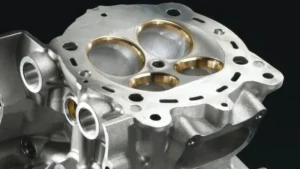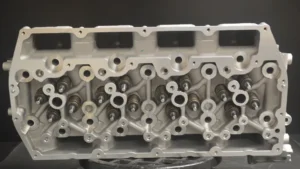
Aluminum cylinder heads have become a standard component in modern engines, from passenger vehicles to high-performance builds. Compared with traditional cast iron heads, aluminum cylinder heads offer advantages in weight, heat dissipation, and combustion efficiency. These benefits make them widely used in gasoline engines, performance engines, and many modern diesel applications.
For engine builders, repair shops, and parts distributors, understanding how aluminum cylinder heads are designed, manufactured, and selected is essential. The material itself influences cooling performance, engine response, durability, and overall efficiency. Choosing the right cylinder head also affects compatibility with the engine block, valvetrain components, and intake and exhaust systems.
This guide explains the key materials used in aluminum cylinder heads, how they influence engine performance, and what factors should be considered when selecting the right cylinder head for a specific application.
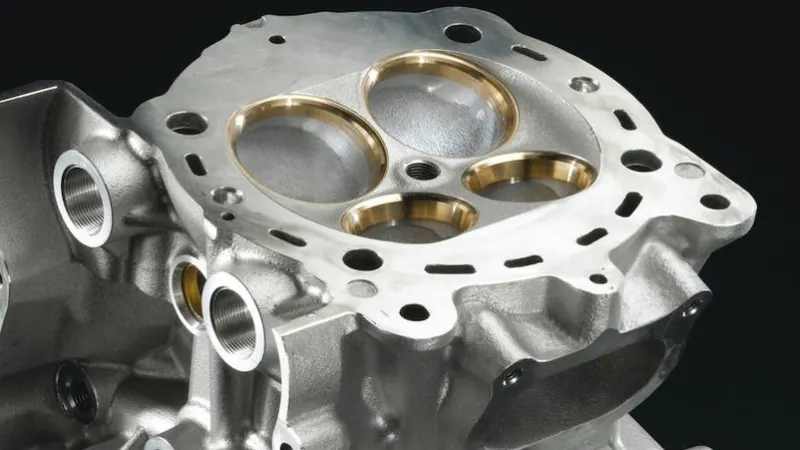
What Is an Aluminum Cylinder Head?
- Intake and exhaust ports
- Combustion chambers
- Valves and valve seats
- Valve guides
- Camshaft mounting areas (in overhead cam engines)
- Spark plug or injector locations
An aluminum cylinder head is simply a cylinder head manufactured primarily from aluminum alloy rather than cast iron. The material choice significantly influences how the engine handles heat, weight, and airflow.
Aluminum alloys used in cylinder heads are specifically engineered for strength and thermal stability. These alloys must withstand high combustion temperatures, mechanical stress, and repeated heating and cooling cycles.
Because of these properties, aluminum cylinder heads are widely used in modern engine designs.
Materials Used in Aluminum Cylinder Heads
Not all aluminum cylinder heads are made from the same alloy. Manufacturers typically use specialized aluminum alloys that balance strength, machinability, and heat resistance.
Common alloys include:
Aluminum-Silicon Alloys
Aluminum-silicon alloys are among the most commonly used materials for cylinder heads. Silicon improves wear resistance and reduces thermal expansion, which helps maintain dimensional stability under high temperatures.
These alloys also provide good casting characteristics, allowing complex cooling channels and port shapes to be formed accurately.
Heat-Treated Aluminum Alloys
Many cylinder heads undergo heat treatment after casting. Heat treatment improves:
- Mechanical strength
- Fatigue resistance
- Structural stability
This process helps the cylinder head withstand continuous combustion pressure and high thermal loads.
Reinforced Valve Seat Areas
Even though the head itself is aluminum, the valve seats are typically made from hardened steel inserts. Aluminum alone cannot withstand the constant impact of the valves closing at high speed. These steel inserts provide durability while maintaining the lightweight advantages of aluminum.
Advantages of Aluminum Cylinder Heads
Better Heat Dissipation
Aluminum conducts heat much more efficiently than cast iron. This improved thermal conductivity helps the engine dissipate combustion heat more quickly.
Better heat management leads to:- Reduced risk of engine overheating
- More stable combustion temperatures
- Lower chance of detonation or knocking
Reduced Engine Weight
- Better weight distribution
- Improved acceleration
- Increased fuel efficiency
Improved Airflow Potential
Aluminum cylinder heads are easier to machine than cast iron. This makes it easier for manufacturers to design optimized intake and exhaust ports.
Better port design leads to improved airflow, which can increase engine power and efficiency. Many performance cylinder heads use CNC machining to create highly precise port shapes that maximize airflow characteristics.
Faster Warm-Up
Aluminum vs Cast Iron Cylinder Heads
| Feature | Aluminum Cylinder Heads | Cast Iron Cylinder Heads |
|---|---|---|
|
Weight |
Much lighter |
Significantly heavier |
|
Heat conductivity |
Excellent |
Lower heat transfer |
|
Machining |
Easier to machine |
Harder to machine |
|
Cost |
Typically higher |
Often lower |
|
Strength |
Good but requires reinforcement |
Very strong |
Manufacturing Process of Aluminum Cylinder Heads
Casting
- Sand casting
- Permanent mold casting
- Precision casting
Heat Treatment
CNC Machining
- Valve seat machining
- Port finishing
- Camshaft journal machining
- Deck surface finishing
Assembly and Testing
Once machining is complete, components such as valve seats, guides, and springs are installed. The finished cylinder head is then tested for defects.
Common tests include:- Pressure testing
- Crack detection
- Dimensional inspection
Performance Factors of Aluminum Cylinder Heads
Combustion Chamber Design
Intake and Exhaust Port Design
Valve Size and Arrangement
Cooling Channel Layout
Common Issues with Aluminum Cylinder Heads
Warping from Overheating
Cracking
Valve Seat Wear
Regular maintenance and proper cooling system operation help prevent most of these issues.
How to Choose the Right Aluminum Cylinder Head
Engine Compatibility
Application Type
Different applications require different cylinder head designs.
For example:- Stock replacement engines require OEM-style heads
- Performance engines benefit from upgraded port designs
- Turbocharged engines may require reinforced structures
Material Quality
Manufacturing Precision
Final Thoughts
Aluminum cylinder heads have become an essential component in modern engine design. Their ability to improve heat dissipation, reduce weight, and enhance airflow makes them ideal for both standard and performance engines. Understanding the materials, manufacturing process, and design features helps engine builders and parts buyers choose the most suitable cylinder head for their specific needs.
For manufacturers, distributors, and repair shops looking for reliable engine components, working with an experienced supplier is equally important. High-quality materials, precise machining, and strict quality control ensure consistent performance and durability.
If you are looking for aluminum cylinder heads or other engine components, XinJin Auto Parts is a factory supplier specializing in automotive parts manufacturing. For inquiries or bulk orders, visit our contact page: https://www.engineassy.com/contact-us/