When you notice blue smoke billowing from your exhaust or realize you are topping off your oil every other week, the dread of a major engine repair starts to set in. One of the most common diagnoses for these symptoms is worn-out piston rings. However, for most vehicle owners, the immediate concern isn’t just the mechanics of the engine—it is the cost of replacing piston rings.
In this guide, we will break down the true expenses of a piston ring job in 2026, explore why the labor costs are so high, and help you decide whether a repair or a complete engine replacement is the better financial move for your vehicle.
What is the Average Cost of Replacing Piston Rings
If you are looking for a quick number, the total cost of replacing piston rings generally ranges from $1,500 to $5,000.
At first glance, this price range might seem shocking for a set of parts that often costs less than $200. However, the disparity between parts and labor is what makes this specific repair unique. To understand the “why” behind the bill, we have to look at how these costs are distributed across modern mechanical services.
The Parts Expenses
The piston rings themselves are relatively inexpensive. A high-quality set of rings for a standard four-cylinder engine typically costs between $50 and $150. Even for high-performance V8 engines or luxury European models, you are rarely looking at more than $300 for the rings alone. The affordability of the parts often leads car owners to underestimate the final invoice.
The Labor Intensity
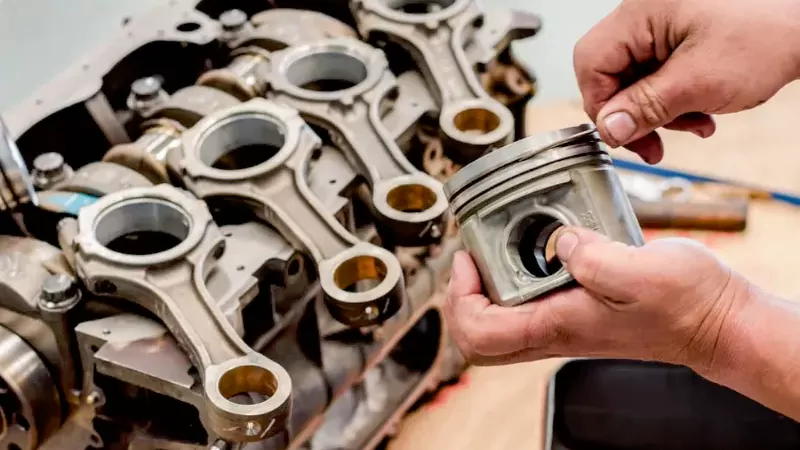
The reason the total bill reaches into the thousands is that replacing piston rings is one of the most labor-intensive tasks a mechanic can perform. To access the rings, the mechanic must perform a complete “tear down” of the engine block. This involves:
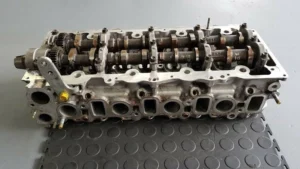
- Removing the cylinder head and intake manifolds.
- Dropping the oil pan and removing the oil pump.
- Disconnecting the connecting rods from the crankshaft.
- Carefully pushing the pistons out of the engine block from the bottom up.
Key Factors That Influence the Final Bill
No two engine repairs are identical. Several variables will determine whether your quote sits at the lower or higher end of the spectrum for the cost of replacing piston rings.
Engine Configuration
The design of your engine plays a massive role in labor hours. A simple inline-4 engine is far more accessible than a V6, V8, or a “Boxer” engine found in Subarus or Porsches. In a V-configuration, the mechanic essentially has twice as much work to do regarding the cylinder heads and valve trains, which naturally drives up the price.
Vehicle Make and Model
Luxury and performance brands often require specialized tools and more intricate disassembly procedures. Additionally, if your vehicle uses a modern turbocharged system, there are dozens of extra vacuum lines, intercooler pipes, and sensors to remove and reinstall, adding significant time to the total bill.
Supporting Components and Fluids
It is rare for a mechanic to open an engine and change only the rings. To ensure the engine actually runs after being reassembled, you will almost certainly need:
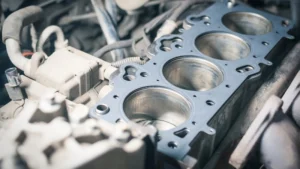
- New Head Gaskets: These must be replaced whenever the head is removed.
- Valve Seals: Often replaced to ensure the top end of the engine is as tight as the bottom.
- Engine Oil and Coolant: Fresh fluids are a non-negotiable requirement.
- Timing Belt or Chain: If your engine is already apart, it is the most cost-effective time to replace these critical components.
Symptoms That You Have Bad Piston Rings
How do you know if the piston rings are actually the culprit? Since the repair is so expensive, a proper diagnosis is vital before you start spending money. Here are the “red flags” that your engine is suffering from “blow-by” or oil consumption issues.
Blue Exhaust Smoke
This is a classic sign. Blue smoke indicates that engine oil is leaking past the rings and burning in the combustion chamber. It is often most visible during hard acceleration or immediately after a cold start when the metal hasn’t yet expanded to create a seal.
Excessive Oil Consumption
If you find yourself adding a quart of oil every 500 to 1,000 miles without seeing a visible leak on your driveway, the oil is likely being consumed internally. This leads to carbon buildup on your valves and can eventually destroy your catalytic converter, leading to even higher repair costs.
Loss of Power and Acceleration
Piston rings create the seal necessary for compression. When they wear out, that seal fails, leading to a loss of cylinder pressure. This results in a sluggish feeling when you hit the gas and a significant drop in fuel efficiency.
Oily Spark Plugs
If you pull your spark plugs and they are covered in a thick, black, oily residue, it is a strong sign that oil is entering the combustion area. This “fouling” will eventually cause engine misfires and a rough idle.
The Critical Decision: Repairing vs. Replacing the Engine
When you are faced with a high cost of replacing piston rings, you have to decide if a rebuild or a full engine swap is the smarter financial move. Often, the labor for a rebuild is so high that a fresh engine becomes the more logical choice.
When to Repair the Piston Rings
Repairing the rings makes sense if the rest of the engine is in excellent condition, the vehicle has relatively low mileage, and the cylinder walls are still smooth. If the engine has been well-maintained and only suffered a localized ring failure, a rebuild is a viable path.
When to Replace the Entire Engine
In many cases, once the labor reaches a certain threshold, it is actually more economical to buy a complete replacement engine. If your mechanic finds metal shavings in the oil pan or deep grooves in the cylinder walls, stop the repair immediately. At that point, a “re-ring” job will not last. A replacement engine ensures that every component—from the bearings to the camshaft—is in peak condition, providing much better long-term value.
| Feature | Repairing Piston Rings (Rebuild) | Replacing the Entire Engine |
|---|---|---|
|
Average Cost |
$1,500 – $5,000 |
$3,000 – $7,000 |
|
Labor Time |
Very High (15-25 hours) |
Moderate (8-15 hours) |
|
Reliability |
Depends on the skill of the mechanic |
High (Factory-tested units) |
|
Internal Wear |
Only fixes the rings; other parts stay old |
All internal components are refreshed |
|
Risk Factor |
High (Possible cylinder wall damage) |
Low (Plug-and-play solution) |
|
Warranty |
Usually limited to the rings/labor |
Often covers the entire engine assembly |
How to Prevent Piston Ring Failure
While we are always here to provide a replacement engine if you need one, we also want your current engine to last as long as possible. To avoid the high cost of replacing piston rings in the future, follow these maintenance tips:
- Never Skip Oil Changes: Old oil loses its lubricity and becomes acidic, which accelerates the wear on the delicate metal of the rings.
- Use High-Quality Filters: A cheap oil filter can allow microscopic debris to circulate through your engine, acting like sandpaper against your piston rings and cylinder walls.
- Watch Your Temperature: Overheating is one of the fastest ways to “lose the temper” of the metal rings, causing them to lose their spring tension and fail to seal.
- Address Engine Knocking: If you hear a metallic rattling sound under acceleration, your engine is “knocking.” This creates massive pressure spikes that can physically crack or shatter piston rings.
Final Thoughts on Piston Ring Costs
The cost of replacing piston rings is a significant investment that requires careful thought. While the parts are cheap, the surgery required to install them is deep and complex. Always get a detailed quote and, more importantly, have your mechanic check the condition of the cylinder walls before committing to the repair.
If the damage is extensive or the labor costs are too high, a complete engine swap is often the more reliable and long-term financial solution. As a direct factory, XinJin Auto Parts provides premium replacement engines with exceptional service and high cost-performance. If you need a quality engine, please contact us today.