Short Block vs. Long Block Engines: What’s the Difference?

When you are faced with a major engine failure or are planning a high-performance build, you will inevitably encounter two terms: “Short Block” and “Long Block.” For many vehicle owners and even some novice mechanics, these terms can be confusing. Do they refer to the physical length of the engine? Are they related to the displacement?
The reality is that the distinction between a short block and a long block has nothing to do with physical dimensions or cylinder count. Instead, these terms describe how much of the engine is pre-assembled when you purchase it. Choosing the right one can mean the difference between a project that takes a single weekend and one that stretches into months of technical labor.
In this comprehensive guide, we will break down the structural differences, the pros and cons of each, and how to determine which option is the best fit for your vehicle, budget, and mechanical skill level.

Understanding the Engine Block Basics

Before diving into the “short” and “long” designations, it is essential to understand what an engine block is. The block is the foundation of the internal combustion engine. It is a massive casting, usually made of iron or aluminum, that houses the cylinders where combustion occurs.
When you buy a replacement engine, you aren’t always buying a complete “turn-key” unit that includes the alternator, water pump, and fuel system. Instead, manufacturers and rebuilders sell “assemblies.” The degree to which that assembly is completed determines whether it is categorized as a short block or a long block.

What is a Short Block Engine?

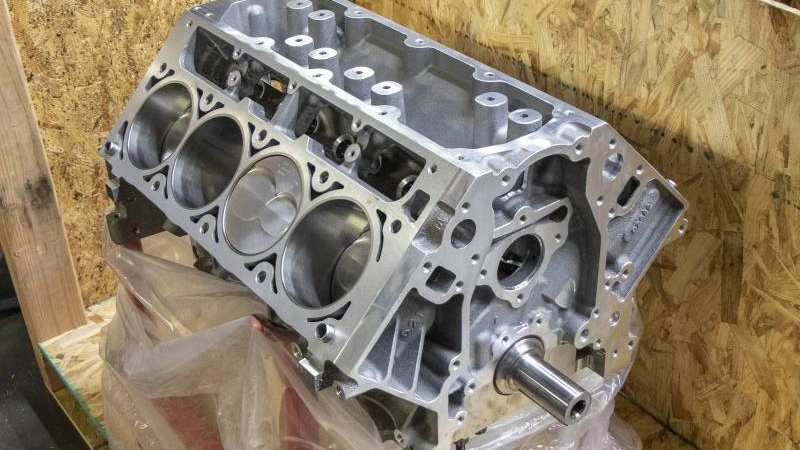
A short block engine is essentially the “bottom end” of the engine. It is the most basic version of a replacement engine assembly. When you order a short block, you are getting the core structural components that allow the engine to rotate, but none of the components required to manage air, fuel, or exhaust.
short block

Components Typically Included in a Short Block:

  • The Engine Block: The main casting.
  • The Crankshaft: The component that converts the linear motion of the pistons into rotational energy.
  • Pistons and Rings: These move up and down within the cylinders to create compression.
  • Connecting Rods: These link the pistons to the crankshaft.
  • Main Bearings and Rod Bearings: These ensure smooth rotation and reduce friction.

In most cases, a short block comes with these parts pre-installed and balanced. However, it lacks the “top end” components. You will not find cylinder heads, camshafts, or a valvetrain on a short block.

Why Choose a Short Block?

The primary reason people opt for a short block is customization. If you are a performance enthusiast, you might want a very specific set of high-flow cylinder heads or a custom-grind camshaft that doesn’t come in a standard factory package. By buying a short block, you have a solid, professionally assembled foundation, but you retain total control over the top-end components.
Another reason is cost savings—at least on the initial purchase. If your original engine suffered a failure in the bottom end (like a thrown rod) but your cylinder heads are still in perfect condition, you can save money by purchasing only the short block and transferring your existing top-end parts to the new assembly.

What is a Long Block Engine?

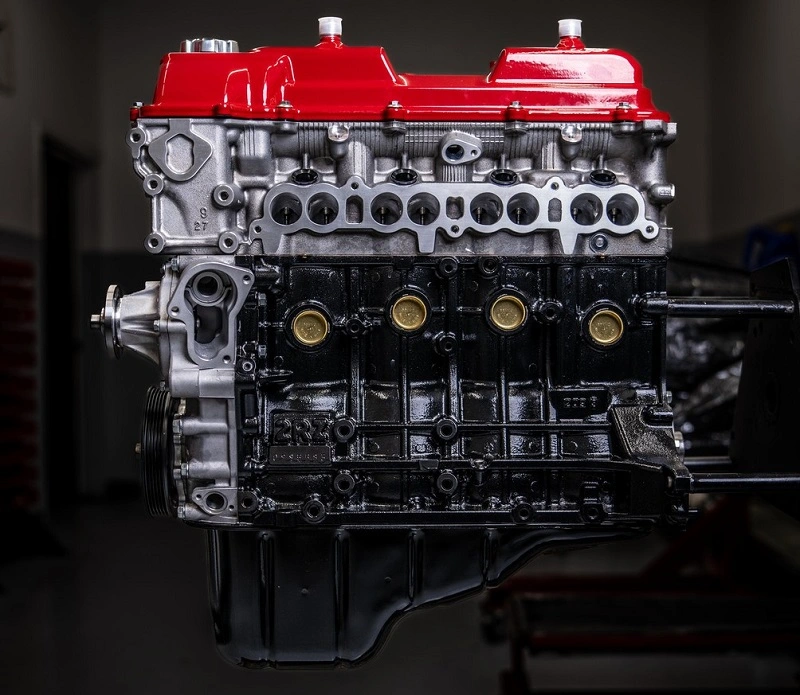
A long block engine is a more complete assembly. It includes everything found in a short block plus the “top end” components. While a long block is still not a “complete” engine (it usually lacks “bolt-on” accessories like the intake manifold, exhaust manifolds, and electrical sensors), it is much closer to being ready for installation.

Components Typically Included in a Long Block:

  • Everything in the Short Block: (Block, crank, pistons, rods).
  • Cylinder Heads: These sit on top of the block and house the combustion chambers.
  • Camshafts: These control the timing of the valves.
  • Valvetrain: This includes the valves, springs, lifters, and rocker arms.
  • Head Gaskets: Pre-installed between the block and the heads.
  • Timing Components: Usually includes the timing chain or belt and the associated gears.

Why Choose a Long Block?

The biggest advantage of a long block is convenience and reliability. Because the cylinder heads are already installed and the manufacturer often pre-sets the timing, there is much less room for error during installation. You don’t have to worry about the precision work of seating valves or ensuring the head bolts are torqued to exact specifications.
Furthermore, long blocks typically come with more comprehensive warranties. Since the manufacturer assembled the entire core of the engine, they are more confident in its longevity than they would be with a short block, where the customer is responsible for half the assembly.

Short Block vs. Long Block: Key Differences Analyzed

To make an informed decision, it is helpful to compare these two options across several critical factors: labor, cost, and time.

1. Labor and Technical Complexity

A short block requires a significant amount of technical skill. You will need to clean, inspect, and potentially machine your old cylinder heads before installing them. You will also need to deal with timing the engine—a process where a single tooth’s error on a gear can result in catastrophic engine failure the moment you turn the key.
A long block is much more “plug-and-play.” While you still need to transfer your external accessories (alternator, starter, intake manifold), the difficult internal precision work is already done. For most DIYers and even professional shops looking to flip a bay quickly, the long block is the preferred choice.

2. Price Points

On the surface, a short block is significantly cheaper than a long block. However, the “sticker price” is deceptive. When you buy a short block, you must also factor in the cost of:
  • A head gasket kit. 
  • New head bolts (many are one-time use “torque-to-yield” bolts).
  • Valvetrain components. 
  • Camshafts.
  • The labor cost of a machine shop to refresh your old heads.
Once you add these costs up, the price gap between a short block and a long block often narrows significantly.

3. Warranty Coverage

Warranty is a major factor in the engine replacement world. Most short block warranties only cover the rotating assembly. If a head gasket fails or a valve drops, the manufacturer of the short block is not responsible. Conversely, long block warranties usually cover the entire engine core. If you are looking for long-term peace of mind, the long block is almost always the superior choice.
Feature Short Block Engine Long Block Engine
Included Components
Block, Crankshaft, Pistons, and Connecting Rods (Bottom End).
Everything in a short block + Cylinder Heads, Camshafts, and Valvetrain.
Installation Complexity
High: Requires expert assembly of heads and timing components.
Medium/Low: Major internals are pre-assembled and timed.
Initial Purchase Cost
Lower: You pay for fewer parts upfront.
Higher: Includes more precision components.
Total Labor Time
Extensive: Requires cleaning, inspecting, and assembling top-end parts.
Reduced: Faster “swap and go” installation process.
Customization Potential
Maximum: Ideal for choosing specific performance heads/cams.
Limited: Pre-configured by the manufacturer for standard use.
Warranty Coverage
Narrow: Often limited to the rotating assembly only.
Comprehensive: Usually covers the entire core engine assembly.
Best For
Engine builders, tuners, and high-performance projects.
Daily drivers, commercial repairs, and time-sensitive swaps.

Common Misconceptions: Size vs. Components

One of the most frequent points of confusion for car owners is the idea that “long” and “short” refer to the physical size of the engine. It is important to clarify that:

  • A V8 short block is physically larger than a 4-cylinder long block. The terms only describe the list of parts included, not the dimensions of the engine.
  • It is not the same as “Small Block vs. Big Block.” Small block and big block are terms used (primarily by American manufacturers like Chevy and Ford) to describe the physical size and displacement category of the engine casting itself. You can purchase a “Small Block Chevy” as either a short block or a long block assembly.

Which One Should You Choose?

Deciding between a short block and a long block isn’t just about the price tag—it’s about balancing your mechanical skill, available tools, and the ultimate goal for your vehicle. To help you decide, we have categorized the choices based on common ownership scenarios.

The Case for a Short Block

A short block is the “builder’s choice.” It is the ideal path if you fall into any of the following categories:
  • The Custom Performance Enthusiast: You want to pair a heavy-duty bottom end with specific high-flow aftermarket heads or a custom turbo setup.
  • The Budget-Conscious Mechanic: You have a perfectly functional top end (heads, cams, and valvetrain) from your old engine and want to save money by reusing them.
  • The Long-Term Project: You enjoy the process of engine building and want to ensure every bolt on the top end is torqued to your personal satisfaction.

The Case for a Long Block

A long block is the “reliability choice.” It is the superior option for:
  • Daily Drivers: If your car is your primary transportation, a long block gets you back on the road days or even weeks faster than a short block.
  • Catastrophic Failure Recovery: If your engine overheated or dropped a valve, your old cylinder heads are likely warped or cracked. A long block replaces everything in one go.
  • Maximizing Resale Value: Having a documented, fully assembled long block with a comprehensive warranty is a major selling point for future buyers.

Decision Summary Checklist

To make your final choice, ask yourself these three questions:

1. Is my vehicle's current cylinder head damaged?

  • Yes: Buy a Long Block.
  • No/Not Sure: You can consider a Short Block.

2. How much time do I have for this project?

  • I need it done this weekend: Buy a Long Block.
  • I can take a few weeks to get it right: A Short Block is viable.

3. Am I confident in setting engine timing?

  • Yes: A Short Block allows for more customization.
  • No: A Long Block removes the risk of timing errors.

The Importance of the "Paperwork"

Regardless of which route you choose, always ask for a “build sheet” or a detailed list of included components. Different suppliers have different definitions of what constitutes a “standard” assembly. Some short blocks might include an oil pump, while others do not. Some long blocks might include a water pump and oil pan, while others are “stripped” long blocks. Knowing exactly what is in the crate will prevent mid-project trips to the parts store.

Final Thoughts on Engine Replacement

Replacing an engine is one of the most significant investments you can make in a vehicle. While the choice between a short block and a long block may seem like a technicality, it defines the entire trajectory of your repair project. By understanding the “bottom end” vs. “top end” distinction, you can better balance the trade-offs between customization, cost, and convenience.
Choosing the right foundation ensures that your vehicle doesn’t just run again, but runs with the reliability and performance you expect.

Whether you are looking for high-quality engine components or a full replacement, XinJin Auto Parts is here to help. As a specialized factory, we provide precision-engineered engine parts to meet your specific needs. If you have questions or need a quote, please contact us today.
Related Post

Leave a Comment

Your email address will not be published. Required fields are marked *

Scroll to Top

Get Your Quote Now

    Get Your Quote Now