The automotive industry has seen significant advancements in material science and engineering, yet the natural elements remain the most persistent threat to a vehicle’s longevity. Extreme weather events—ranging from sudden, violent hailstorms to prolonged sub-zero blizzards—can inflict damage that goes far beyond surface-level aesthetics. For the discerning car owner, understanding the specific vulnerabilities of a vehicle’s exterior and internal mechanical systems is the first step in a comprehensive defense strategy.
When we discuss “weatherproofing” a vehicle, we are not merely talking about a car wash or a generic cover. We are discussing a multi-layered approach to maintenance and protection that preserves the structural integrity of the body, the clarity of the glass, and the high-precision components of the engine, such as the cylinder head and cooling system. This guide provides an in-depth analysis of how to safeguard your investment against the most common and destructive weather phenomena.
The High Impact of Hail: More Than Just Dents
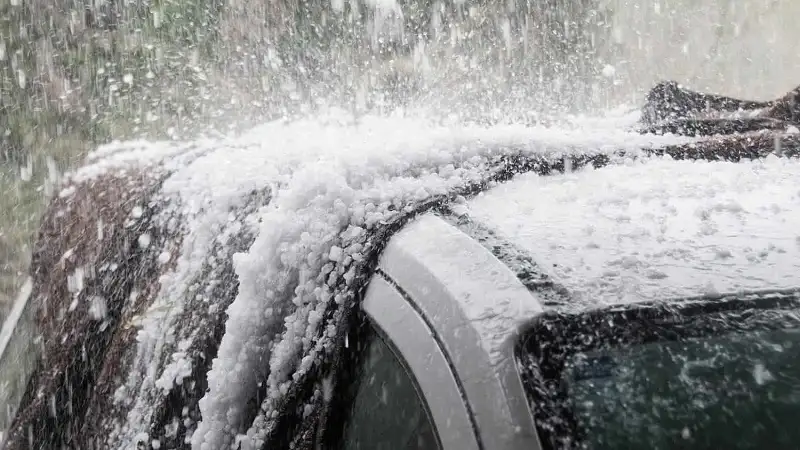
Hail is a uniquely destructive force because of its unpredictability and the sheer kinetic energy it carries. A single storm can reduce a vehicle’s resale value by thousands of dollars in minutes.
Understanding the Mechanics of Impact
The damage caused by hail is determined by the stone’s diameter, its terminal velocity, and the angle of impact. While most modern car panels are made of lightweight aluminum or high-strength steel, they are still susceptible to “pitting” or “starring.” The most vulnerable areas are the horizontal surfaces: the hood, the roof, and the trunk lid.
To mitigate this, the first line of defense is always structured shelter. However, when a garage is unavailable, the quality of your car cover becomes paramount. Not all car covers are created equal; a standard dust cover will offer zero protection against a one-inch hailstone. Drivers in “Hail Alley” or storm-prone regions should invest in specialized impact-resistant covers. These often feature high-density polyethylene layers or even air-cushioned liners that disperse the energy of the impact across a wider surface area, preventing the metal from reaching its yield point.
Emergency Tactics for Sudden Storms
If you are caught on the road during a hailstorm, your priority must be the preservation of glass. A shattered windshield is not just a repair cost; it is a safety hazard that can lead to water damage in the cabin. If you cannot find a bridge or a gas station canopy, utilize your floor mats. Placing heavy rubber floor mats over the windshield and rear window can absorb enough energy to prevent total glass failure.
The Corrosive Reality of Winter: Snow, Ice, and Salt
Winter weather presents a dual threat: the physical weight and temperature of snow, and the chemical warfare waged by road salt and brine.
Protecting the Undercarriage and Chassis
While many owners worry about the paint, the most significant damage often happens where you cannot see it. Municipalities use rock salt (sodium chloride) and liquid brine to lower the freezing point of water on roads. This creates a highly corrosive electrolytic solution. When this slush is kicked up into the undercarriage, it begins to oxidize iron and steel components immediately.
To combat this, a pre-winter underbody sealant or “rust-proofing” treatment is essential. These wax or oil-based barriers prevent the salt-laden water from making direct contact with the metal. Furthermore, throughout the winter, a high-pressure undercarriage wash is required every two weeks to remove accumulated salt before it can bond to the frame, brake lines, and exhaust system.
Thermal Stress and Engine Integrity
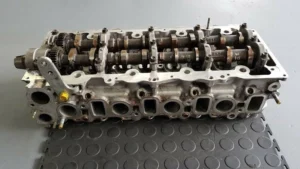
Extreme cold affects the molecular structure of the fluids and metals within your engine. One of the most critical areas of concern is the engine’s upper half, specifically the cylinder head. Because cylinder heads are often made of different alloys than the engine block, they expand and contract at different rates.
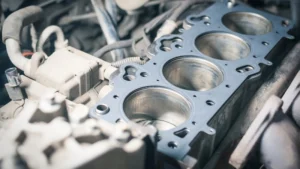
In extreme sub-zero temperatures, the “thermal shock” of starting an engine can lead to microscopic fractures or head gasket failure.
- Coolant Chemistry: Ensure your antifreeze-to-water ratio is precisely calibrated. If the coolant freezes, it expands with enough force to crack a cast-iron engine block or warp an aluminum cylinder head.
- Block Heaters: For those living in arctic climates, a block heater is not a luxury; it is a necessity. It keeps the coolant and oil at a temperature that allows for easier lubrication and prevents the drastic temperature swings that stress the metal components of the valvetrain.
The Corrosive Reality of Winter: Snow, Ice, and Salt
High-wind events, such as those associated with severe thunderstorms or hurricanes, turn ordinary objects into dangerous projectiles.
Strategic Parking to Avoid Projectiles
In high-wind scenarios, the greatest risk is often not the wind itself, but falling trees and flying debris. Avoid parking near large trees (especially those with shallow root systems like pines) or under old power lines. If you must park outside, try to position the vehicle with its nose facing the wind. This aerodynamic profile reduces the likelihood of wind catching the underside of the hood or the doors and prevents the vehicle from being buffeted sideways, which can stress the suspension components over time.
The Role of Seals and Weatherstripping
Wind-driven rain can penetrate the smallest gaps in a vehicle’s seals. Over time, UV rays from the sun degrade the rubber weatherstripping around doors and windows, making them brittle. When a storm hits, these brittle seals fail, leading to mold, mildew, and electrical shorts in the cabin. A simple application of silicone-based protectant twice a year keeps the rubber pliable and ensures a watertight seal even under high pressure.
Post-Storm Forensics: What to Check
The actions you take immediately following a weather event can prevent long-term mechanical failure. Once the storm has passed, perform a “Forensic Walkaround.”
- Check for “Hydro-locking” Potential: If the vehicle was in a heavy downpour or standing water, check the air intake before starting the engine. If water has entered the intake manifold, it can lead to hydro-locking—a condition where the pistons attempt to compress water, resulting in catastrophic engine failure, including bent rods and destroyed cylinder heads.
- Inspect Glass for Micro-Cracks: Small chips from hail or debris can be repaired easily. However, if left unchecked, the temperature fluctuations of the following day will cause these chips to expand into full cracks.
- Fluid Contamination: In cases of flooding, check the oil dipstick. If the oil appears milky or like a “latte,” water has entered the crankcase. Do not start the engine; it requires a professional flush to protect the internal bearings.
Maintaining the "Heart" of the Vehicle
A vehicle is only as resilient as its weakest component. While we often focus on the exterior, the internal components are what ultimately determine whether a car survives a decade or ends up in a scrapyard. Extreme weather accelerates wear and tear, meaning that the quality of replacement parts becomes a critical factor in the car’s “survival” strategy.
For instance, when an engine has been subjected to the stresses of overheating during a summer heatwave or the freezing cycles of a harsh winter, the cylinder head often bears the brunt of that stress. Using precision-engineered components ensures that when the weather turns for the worst, your engine has the structural integrity to withstand the pressure.
Maintaining a vehicle against the elements is a continuous process of observation and proactive replacement. By combining physical protection (covers and garages) with mechanical vigilance (coolant checks and quality part sourcing), you can ensure that your vehicle remains reliable, safe, and valuable for years to come.
In the event that extreme weather has already taken its toll on your engine’s internal components, or if you are in the process of a preventative overhaul, sourcing factory-direct precision parts is vital. For those in need of high-quality engine components, including professional-grade cylinder heads and related hardware, you can reach out to the experts at XJXPARTS. As a dedicated factory, we provide the durability and precision required to keep your vehicle running regardless of the climate.
For professional assistance or to inquire about specific replacement parts, feel free to Contact Us.