What Happens If the Cylinder Head Fails?

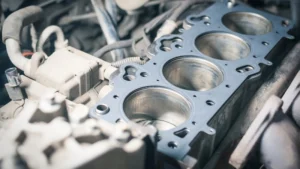
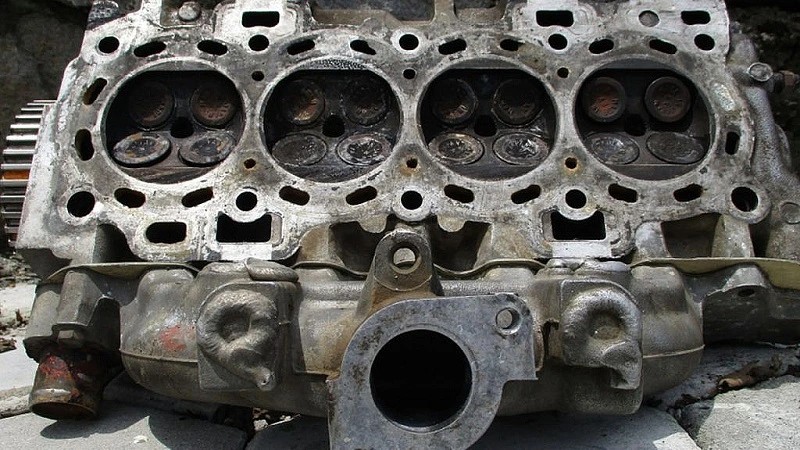
The cylinder head is one of the most critical structural components in any internal combustion engine. It closes the top of the cylinders, forms the combustion chamber, supports valves, houses vital oil and coolant passages, and works with the head gasket to maintain airtight and fluid-tight sealing. When the cylinder head fails—whether through cracking, warping, or internal distortion—the engine’s balance of compression, cooling, lubrication, and timing begins to collapse.
Because of its importance, cylinder head failure can rapidly escalate from mild drivability issues to complete engine breakdown. And yet, many of the early warning signs are detectable long before the damage becomes catastrophic. Understanding these symptoms and their underlying mechanisms can help vehicle owners, fleet managers, and automotive professionals prevent expensive repairs and maintain reliable engine performance.
This article explores what actually happens when a cylinder head fails, the detailed signs that indicate trouble, and the consequences of ignoring these warnings.
cylinder head fails

Why the Cylinder Head Is So Critical

Although many engine components experience stress, the cylinder head is exposed to some of the harshest conditions in the engine. It must contain combustion pressures that can exceed hundreds of psi, survive rapid heating and cooling cycles, channel oil and coolant with precision, and hold multiple moving parts in perfect alignment.
A healthy cylinder head ensures:
  • Proper combustion chamber sealing
  • Efficient heat dispersion
  • Stable valve operation
  • Controlled flow of oil and coolant
  • Balanced compression across all cylinders
When the head is compromised, every one of these systems can be affected.

Major Signs of Cylinder Head Failure

This is the most important part of the discussion. Cylinder head issues rarely appear without warning. The symptoms below are the earliest—and most accurate—indicators that a cylinder head is failing or has already failed.

1. Overheating That Doesn’t Go Away

Persistent overheating is both a cause and a consequence of cylinder head failure.
A cracked or warped head disrupts coolant flow. This can trap hot spots inside the head, raise combustion chamber temperatures, and overload the cooling system. Even if the radiator, water pump, thermostat, and hoses are functioning, the engine may continue to run hot.
Typical signs include:
  • Temperature gauge rising above normal during driving
  • Overheating shortly after startup
  • The engine cooling down slowly even after being shut off
  • Coolant boiling in the overflow tank
If overheating persists despite good cooling components, the cylinder head is one of the first areas to inspect.

2. Loss of Engine Power and Poor Acceleration

When a cylinder head warps or cracks, the combustion chamber may no longer seal properly. This leads to compression loss, which has a direct impact on horsepower and torque.
Drivers may notice:
  • Sluggish acceleration
  • Rough idling
  • Hesitation when pressing the throttle
  • Difficulty maintaining highway speeds
  • Poor fuel efficiency

This symptom is especially pronounced when only one or two cylinders lose compression while others remain stable. The engine will sound uneven, and the vehicle may vibrate more intensely.

3. White Smoke from the Exhaust

One of the classic signs of a cracked cylinder head is white smoke coming from the tailpipe.
This happens when coolant leaks into the combustion chamber via a crack or distorted sealing surface. When the engine burns coolant, it creates thick white vapor with a sweet smell.
Characteristic signs include:
  • Persistent white exhaust, even after the engine warms
  • Moisture dripping from the tailpipe
  • Loss of coolant without visible external leaks

This symptom should never be ignored. Coolant in the combustion chamber can rapidly damage piston rings, catalytic converters, and oxygen sensors.

4. Oil Contamination or Milky Oil

A failed cylinder head can allow coolant to mix with the engine oil. When this happens, the oil may turn into a milky, frothy substance often described as resembling coffee with cream.
This contamination drastically reduces lubrication quality and leads to severe internal wear.
Signs of contaminated oil include:
  • Milky residue on the oil cap
  • Sludge on the dipstick
  • Rising oil level (due to coolant entering the system)
  • Foaming oil on startup

If coolant and oil are mixing, immediate repairs are required. Prolonged operation under these conditions can destroy bearings and the entire bottom end of the engine.

5. External Coolant or Oil Leaks from the Head Area

Cracks in a cylinder head often allow fluids to escape externally. This may appear as visible leaks along the cylinder head or around the head gasket boundary.
Common indicators:
  • Coolant dripping along the side of the engine block
  • Oil pooling beneath the vehicle
  • A burning smell from oil leaking onto the exhaust manifold
  • Wet spots forming around the valve cover area

Unlike internal leaks, external leaks may be easier to detect early—but they still require attention before they worsen.

6. Misfiring or Unstable Running

A compromised cylinder head may cause individual cylinders to misfire due to:
  • Poor sealing
  • Coolant intrusion
  • Cracked combustion chambers
  • Warped surfaces affecting valve seating
Symptoms often include:
  • Engine shaking
  • Reduced RPM stability
  • Misfire codes on diagnostic scanners
  • Popping sounds or backfiring

This typically becomes more noticeable under load or during acceleration.

7. Bubbling in the Radiator or Coolant Reservoir

If combustion gases escape through a cracked head and enter the cooling system, they create pressure and bubbles inside the radiator or reservoir.
Signs include:
  • Continuous bubbling after the engine reaches operating temperature
  • Coolant being pushed out of the overflow tank
  • Radiator hoses becoming excessively hard

This condition leads to overheating and can eventually rupture hoses or damage the radiator.

8. Strong Smell of Exhaust in the Engine Bay

A crack in the cylinder head can allow exhaust gases to escape directly into the engine bay. This can create:
  • A strong burning smell
  • Increased engine noise
  • Hissing or ticking sounds

Exhaust leaks near the head are dangerous because they expose surrounding components to extreme heat.

What Causes Cylinder Head Failure?

Understanding why cylinder heads fail can help prevent future occurrences. The most common causes include:

1. Overheating

The number one contributor to cracks and warping. Engines that run consistently hot place immense stress on aluminum heads.

2. Poor Cooling System Maintenance

Low coolant levels, clogged radiators, weak water pumps, and stuck thermostats can create the conditions that lead to head damage.

3. Manufacturing Defects

Casting flaws or internal porosity can make a cylinder head more prone to cracking under stress.

4. High Mileage Wear

Older engines naturally experience metal fatigue, weakening structural integrity.

5. Detonation or Pre-Ignition

Uncontrolled combustion pressures can distort or crack the cylinder head.

What Happens If You Keep Driving with a Failed Cylinder Head?

Continuing to operate an engine with cylinder head damage leads to escalating consequences:
  • Severe overheating
  • Blown head gasket
  • Coolant contamination of the oil
  • Bent valves or damaged valve seats
  • Piston and cylinder scoring
  • Damaged catalytic converter
  • Complete engine seizure

What begins as a minor crack can quickly become a multi-thousand-dollar rebuild. Early diagnosis and repair are the best ways to avoid full engine failure.

How Mechanics Diagnose Cylinder Head Failure

Professional inspection usually includes:

  • Compression testing
  • Leak-down testing
  • Cooling system pressure testing
  • Chemical tests for combustion gases in coolant
  • Visual inspection after head removal
  • Machine shop evaluation for warping and cracks

These steps determine whether the head can be repaired, resurfaced, or must be replaced entirely.

Final Thoughts

Cylinder head failure is serious, but its early symptoms are often clear enough for attentive vehicle owners and technicians to detect. Overheating, white smoke, contamination in the oil, loss of power, and persistent misfires are all early warning signs that should never be ignored. Acting quickly not only prevents catastrophic engine damage but also protects the long-term reliability of the vehicle.

If you are sourcing replacement cylinder heads or need high-quality engine components, XINJIN Auto Parts provides factory-direct solutions for global buyers. As a manufacturer specializing in automotive parts, we supply reliable components built to precise standards. Feel free to contact us anytime if you need support or parts for your engine rebuild or maintenance projects.
Related Post

Leave a Comment

Your email address will not be published. Required fields are marked *

Scroll to Top

Get Your Quote Now

    Get Your Quote Now