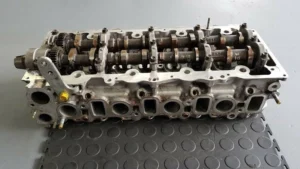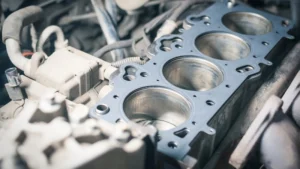
When it comes to repairing or rebuilding an engine, one of the most common questions mechanics, workshops, and car owners face is whether to choose OEM (Original Equipment Manufacturer) or aftermarket engine parts. Both options have their advantages, but understanding the differences between them can significantly affect the performance, reliability, and cost-efficiency of an engine.
The choice between OEM and aftermarket engine parts isn’t always clear-cut. Factors like quality, price, and availability all play a role in deciding which option works best for your needs.
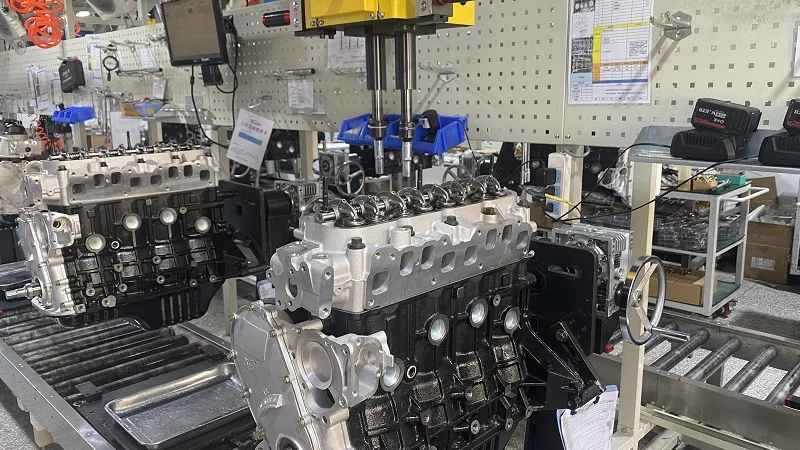
What Are OEM Engine Parts?
OEM engine parts are components manufactured by the same company that originally produced the parts for the vehicle’s assembly line. These parts are identical to the ones installed in the engine when it left the factory.
For instance, if you own a Toyota Hilux with a 1KD-FTV engine, an OEM piston or cylinder head would come directly from Toyota or one of its approved suppliers. These parts are designed to match the original specifications, tolerances, and materials exactly.
Advantages of OEM Parts
Guaranteed Fit and Compatibility
Consistent Quality Standards
Manufacturer Warranty
Most OEM engine parts come with a warranty, providing peace of mind for buyers and protection against premature failures.
Disadvantages of OEM Parts
Higher Cost
Limited Availability
Less Variety
What Are Aftermarket Engine Parts?
Today, the aftermarket industry covers a wide range of engine parts—from cylinder heads, engine blocks, pistons, and crankshafts to gaskets, bearings, and valve train components.
Advantages of Aftermarket Parts
Lower Cost
Broader Availability
Potential Performance Upgrades
Faster Supply Chain
Reputable aftermarket brands maintain strong distribution networks, enabling faster delivery times and easier sourcing for global buyers.
Disadvantages of Aftermarket Parts
Inconsistent Quality Among Brands
Fitment Variations
Limited Warranty Support
Warranty terms vary widely. Reputable brands offer competitive coverage, but unverified sellers may provide none.
Quality Comparison: OEM vs. Aftermarket
| Criteria | OEM Engine Parts | Aftermarket Engine Parts |
|---|---|---|
|
Manufacturing Standard |
Built to original vehicle specs |
Varies by manufacturer |
|
Material Quality |
Consistent and certified |
May range from basic to premium |
|
Fitment Accuracy |
Perfect fit guaranteed |
May require adjustment |
|
Innovation Potential |
Limited to factory design |
Can include design improvements |
|
Testing Procedures |
Factory-level testing |
Dependent on manufacturer |
Cost Efficiency and Long-Term Value
From a business standpoint:
- OEM parts make sense for authorized repair centers, dealerships, or customers who insist on original replacement components.
- Aftermarket parts are better suited for independent workshops, wholesalers, and fleet maintenance operations where cost and speed of delivery are top priorities.
Availability and Model Coverage
- Passenger and commercial vehicles
- Diesel and petrol engines
- Light and heavy-duty trucks
- Agricultural and industrial machinery
Choosing the Right Option for Your Business
- Application Type – Is it for a passenger car, truck, or industrial engine? OEM may be preferred for premium models, while aftermarket works well for high-volume maintenance.
- Budget Constraints – If cost reduction is critical, quality aftermarket parts offer significant savings without sacrificing reliability.
- Supply Chain and Lead Time – For urgent repairs or bulk orders, aftermarket suppliers can deliver faster and at scale.
- Quality Assurance – Always check the manufacturer’s certifications, material standards, and production process.
- After-Sales Support – Choose suppliers with strong customer service and clear warranty policies.
The Role of Trusted Manufacturers
- Documented quality testing and inspection reports
- Consistent material and hardness standards
- Precision machining using CNC and grinding processes
- Professional packaging and international shipping support
Final Thoughts
There is no universal answer to whether OEM or aftermarket engine parts are better—it depends on your specific goals.
If you value guaranteed fitment and factory assurance, OEM parts are the right choice.
If you aim for cost efficiency, broader availability, and modern material advantages, aftermarket engine parts may deliver greater long-term value.
For workshops, distributors, and importers, a smart approach is to balance both: use OEM parts for critical engine rebuilds and premium customers, and use high-quality aftermarket parts for routine repairs and large-scale sales.
Whichever path you choose, always prioritize reliable sourcing, consistent quality, and technical support—these factors determine not just how an engine performs today, but how your business grows tomorrow.
Working with a trusted manufacturer like Xinjin Auto Parts can help you achieve that balance. The company provides OEM production capability, high-quality aftermarket engine components, and tailored supply solutions that meet global standards—ensuring both performance and value in every shipment.