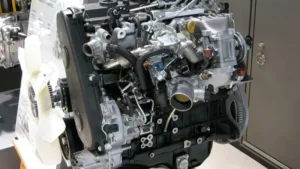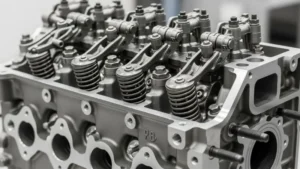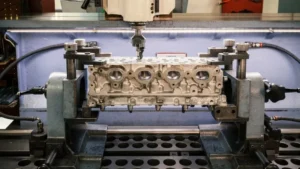
If you work with Toyota diesel engines, you already know that few components carry as much weight as the cylinder head. It sits at the heart of the engine's combustion process, and when it fails, everything fails with it. For the Toyota 2KD-FTV engine, understanding the cylinder head — what it does, how it is built, which vehicles it fits, and when to replace it — is essential knowledge for mechanics, fleet managers, and parts buyers alike.
This guide covers everything you need to know about the 2KD cylinder head, from technical specifications and vehicle compatibility to common failure signs and what to look for when sourcing a replacement.
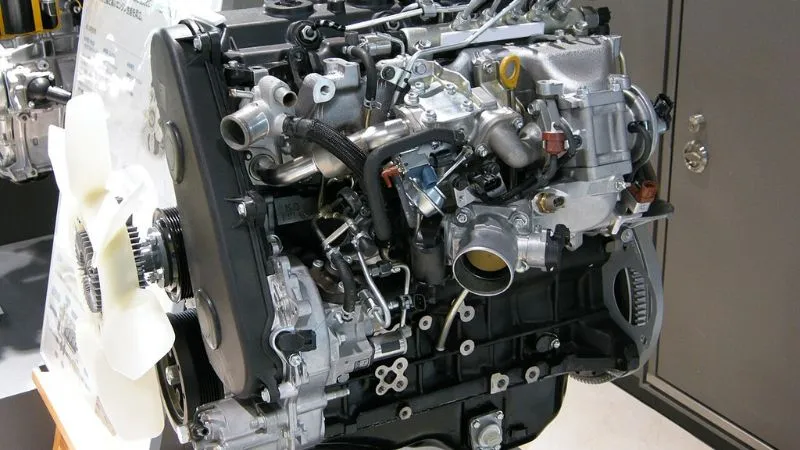
What Is the 2KD-FTV Engine?
Before diving into the cylinder head itself, it helps to understand the engine it belongs to. The Toyota 2KD-FTV is a 2.5-liter inline four-cylinder turbocharged diesel engine that has been in continuous production since 2001. It belongs to Toyota's KD engine family, which was developed specifically for light commercial and utility vehicles.
The 2KD-FTV runs on a common rail direct injection system — what Toyota calls D-4D (Direct Injection 4-stroke Common Rail Diesel). This system delivers fuel at extremely high pressure, resulting in cleaner combustion, better fuel economy, and lower emissions compared to older diesel designs. Combined with a turbocharger, the engine produces a strong torque output that makes it well-suited for heavy-duty daily use.
Over its production life, the 2KD-FTV has powered millions of vehicles across Asia, Africa, the Middle East, Australia, and Latin America, and continues to be one of the most widely serviced diesel engines in the global aftermarket.
2KD Cylinder Head: Key Technical Specifications
The cylinder head on the 2KD-FTV is a precision-engineered component built to handle the demands of turbocharged diesel operation. Here are the key specifications:
- Engine Displacement: 2,494 cc (2.5 liters)
- Bore x Stroke: 92.0 mm x 93.8 mm
- Compression Ratio: 18.5:1
- Cylinder Head Material: High-strength aluminum alloy
- Valve Configuration: DOHC (Dual Overhead Camshaft), 16 valves total (4 per cylinder — 2 intake, 2 exhaust)
- Intake Valve Head Diameter: 30.5 mm
- Exhaust Valve Head Diameter: 26.5 mm
- Intake Duration: 213 degrees
- Exhaust Duration: 210 degrees
- Valve Actuation: Shim-less valve lifters with direct actuation
- Camshaft Drive: Timing belt drives the intake camshaft; the intake camshaft drives the exhaust camshaft via gear
The aluminum construction is deliberate — it keeps weight down while providing excellent thermal conductivity, which is important in a turbocharged diesel that runs at high temperatures. The DOHC layout with 16 valves allows for precise valve timing and better airflow through the combustion chamber, contributing to the engine's efficiency and responsiveness.
The cylinder head gasket used on this engine is a steel laminate type, which provides a reliable seal between the head and the block under high compression and thermal stress.
Vehicle Compatibility: Which Models Use the 2KD Cylinder Head?
One of the reasons the 2KD cylinder head sees such strong demand in the aftermarket is the sheer number of Toyota models that use this engine. From the 2001 model year onward, the 2KD-FTV has appeared in a wide range of vehicles across multiple continents.
Pickup Trucks
- Toyota Hilux (II and III generation, 2.5 D-4D, 2WD and 4WD variants)
- Toyota Tacoma (select markets, 2.5 D-4D)
Vans and Minibuses
- Toyota HiAce (IV and V generation, 2.5 D-4D, 2WD and 4WD)
- Toyota RegiusAce (Bus and Box variants)
SUVs and Multi-Purpose Vehicles
- Toyota Fortuner (2.5 D-4D)
- Toyota Innova / Kijang (2.5 D-4D)
Light Commercial Vehicles
- Toyota Dyna (Flatbed and Chassis variants, 2.5 D-4D)
- Toyota ToyoAce
It is worth noting that while Toyota is the primary application, the 2KD-FTV engine has also been used in vehicles from other manufacturers including certain Haval and Great Wall models in some markets.
Common OEM Part Numbers for Cross-Reference:
11101-30040 / 11101-30041 / 11101-30042 / 11101-30060 / 11101-30070 / 11101-30071 / 11101-0L050 / AMC 908 884
Always verify your specific part number and engine code before ordering, as minor variations exist between production years and regional specifications.
Bare vs. Complete Cylinder Head: Understanding Your Options
When sourcing a 2KD cylinder head, you will typically encounter two configurations. Knowing the difference helps you make the right purchasing decision for your application.
Bare Cylinder Head (Bare Casting)
A bare cylinder head is the head casting alone, without valves, springs, camshafts, or valve guides installed. This option is suited for engine rebuilders and machine shops that want to install their own components, perform custom valve work, or reuse serviceable parts from the original head. It requires professional machining and assembly before installation.
Complete Cylinder Head (Loaded / Assembled)
A complete or fully assembled cylinder head comes pre-installed with valves, valve springs, valve guides, valve seats, camshafts, and in some cases pre-chambers. This is the ready-to-install option that reduces workshop time and is preferred when performing a full engine rebuild or urgent replacement where turnaround time matters.
For most fleet operators, repair shops, and wholesale buyers, the complete assembled head offers a practical balance of quality control and installation efficiency.
Common Symptoms of a Failing 2KD Cylinder Head
Cylinder heads do not fail without warning. Recognizing the early signs can prevent a minor repair from becoming a full engine rebuild.
White Smoke from the Exhaust
This is one of the clearest indicators of coolant entering the combustion chamber, usually caused by a blown head gasket or a cracked cylinder head. White smoke that persists after the engine warms up is a strong sign that the head needs immediate attention.
Engine Overheating
A warped or cracked cylinder head can compromise the cooling circuit, leading to rapid coolant loss and repeated overheating. If the temperature gauge is climbing without a clear external leak, the cylinder head is a likely culprit.
Coolant in the Oil
When the head gasket fails, coolant can migrate into the oil passages. If the engine oil appears milky or foamy on the dipstick, this is a serious sign that the head or its gasket has been compromised.
Loss of Compression and Rough Idle
A cylinder head that is not sealing properly will allow combustion pressure to escape, resulting in uneven cylinder compression, a rough idle, and noticeable loss of power under load.
Excessive Pressure in the Cooling System
If the radiator cap is venting frequently or coolant is being pushed out without an obvious external cause, combustion gases may be entering the cooling system through a failed head seal.
What to Check Before and During Replacement
A cylinder head replacement on the 2KD-FTV is a professional job that requires the right tools and careful attention to detail. Here are the key steps and checks that any qualified technician should follow:
Surface Inspection: Check the head mating surface for warpage using a precision straight edge and feeler gauges. Any warpage beyond Toyota's specified tolerance requires resurfacing or replacement.
Crack Testing: Inspect the combustion chambers, intake ports, and coolant passages for cracks, particularly around the valve seats and pre-chamber areas.
Valve Seat and Guide Condition: Worn valve seats and guides affect compression and increase oil consumption. These should be inspected and replaced if necessary.
Required Components at Replacement:
- New head gasket (steel laminate, OEM specification)
- New head bolts (torque-to-yield type — these should never be reused)
- Timing belt kit (if not recently replaced)
- Inspect turbocharger and common rail injectors during the same service
Torque Specifications for Head Bolts:
The 2KD-FTV uses a plastic region tightening procedure:
- Stage 1: 45 Nm
- Stage 2: 65 Nm
- Stage 3: 85 Nm
- Stage 4: +90 degrees
- Stage 5: +90 degrees
Using a calibrated torque wrench and angle gauge is mandatory. Under-torquing risks head gasket failure; over-torquing can damage the block threads.
What to Look for When Buying a 2KD Cylinder Head
The aftermarket for 2KD cylinder heads is large, and quality varies considerably between suppliers. Here is what to prioritize when evaluating options for wholesale or fleet purchase:
Material Quality: Confirm the head is cast from high-strength aluminum alloy and machined to OEM surface finish tolerances. Sub-standard casting alloys are prone to warping under thermal stress.
Valve and Seat Precision: For complete heads, check that valve-to-guide clearances and seat angles are machined to specification. Sloppy tolerances here will cause premature wear and oil consumption.
Part Number Verification: Cross-reference the OEM part number with your engine code and vehicle model. Even within the 2KD-FTV family, minor changes occurred across production years.
Supplier Warranty: A reputable supplier should back their product with a minimum one-year warranty on new parts. This is also a practical indicator of quality confidence.
Production Capability: For buyers sourcing at volume — workshops, fleet operators, or parts distributors — working directly with a factory gives better control over lead times, pricing, and quality consistency compared to sourcing through multiple intermediary traders.
Frequently Asked Questions
Can I use a 1KD cylinder head on a 2KD engine?
No. The 1KD-FTV is a 3.0-liter engine with different bore spacing and combustion chamber geometry. The cylinder heads are not interchangeable.
Is the 2KD-FTV an interference engine?
Yes. The timing belt drives the camshaft, and if the belt breaks, the valves can contact the pistons. This makes regular timing belt inspection and replacement particularly important.
Can the 2KD cylinder head be modified for performance?
While machining work to improve port flow is technically possible, it is generally not recommended for standard commercial use. Any modifications will affect emissions compliance and may void warranty. For improved output, ECU remapping is a more practical approach.
How often should the head gasket be inspected?
On high-mileage engines or those with a history of overheating, the head gasket should be checked at each major service. Any overheating event — even a single occurrence — warrants immediate inspection.
Work With a Reliable Cylinder Head Supplier
If you are sourcing 2KD cylinder heads at volume, the supplier you choose has a direct impact on workshop efficiency and end-customer satisfaction. At XinJin Auto Parts, we manufacture cylinder heads and related engine components directly from our factory, with the capability to supply both standard and custom specifications. If you have sourcing requirements or want to discuss specifications, contact us here.